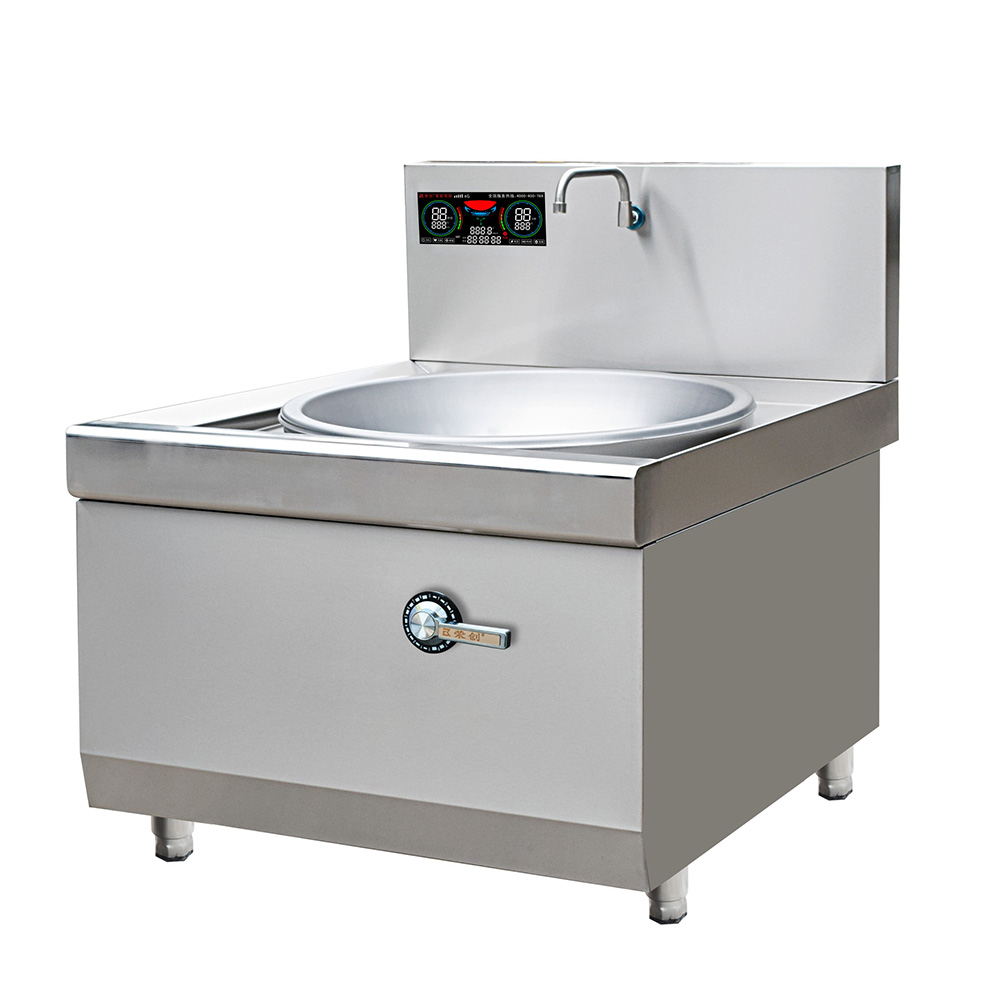
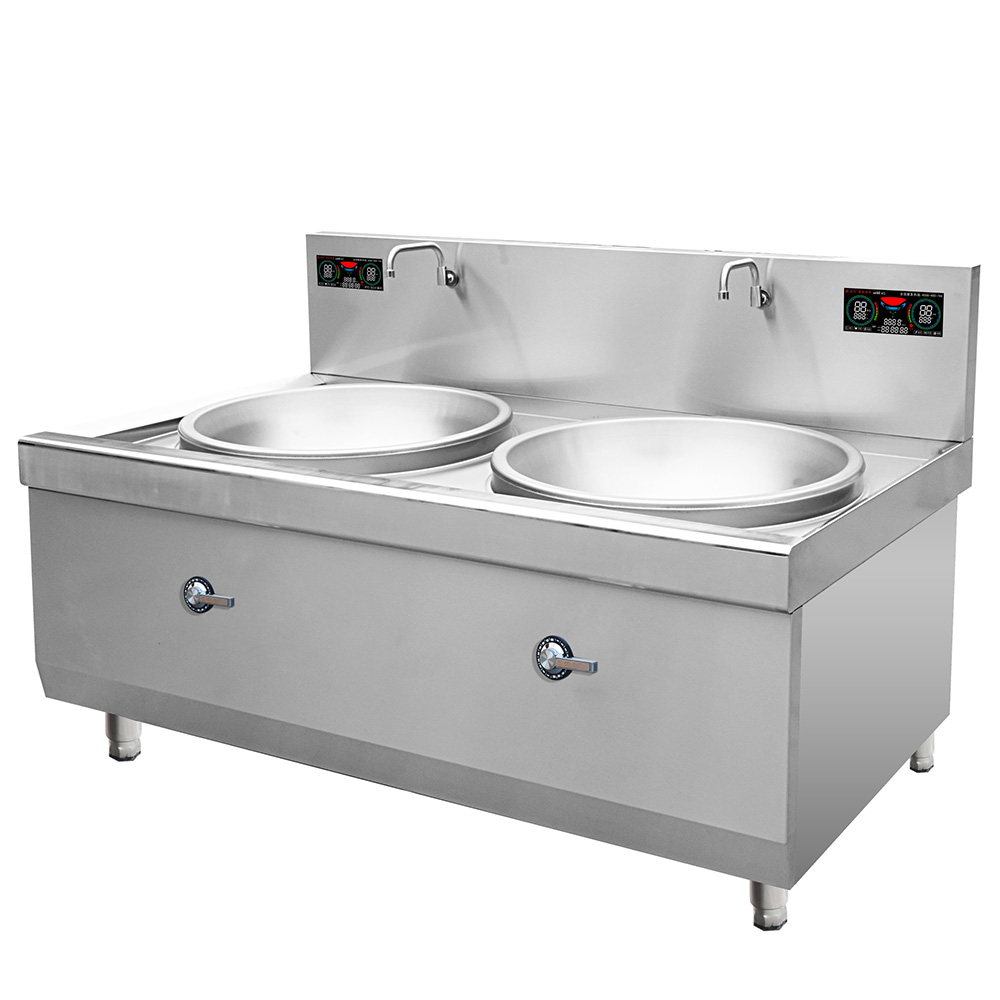
Lately, you’ve probably noticed how High-Power Induction Burners are really shaking things up in the hospitality world. These newfangled cookers are not only slick but also boost efficiency and safety—perfect for busy commercial kitchens. According to the latest report from Research and Markets, the worldwide induction cooking equipment market is expected to hit around $6.6 billion by 2027, growing at about 6.7% annually. That’s pretty telling about how hotels and restaurants are jumping on the energy-efficient cooking bandwagon.
What’s great about high-power induction burners? Well, they heat up so fast, and you can tweak the temperature with real precision. This ability is a game-changer for professional chefs trying to serve up some culinary magic. That said, it’s not all smooth sailing. Many places find it tricky to switch from good old traditional stoves. Proper staff training is key here—get everyone up to speed, and suddenly, a fully optimized kitchen can really speed up service and improve the food quality.
On the market, brands like AOTAI have really made a name for themselves with these high-tech burners. Their products are packed with features and tend to perform reliably. Still, it’s important for businesses to think about things like whether their power supply matches up and what kind of maintenance will be needed down the line. Basically, understanding the ins and outs of high-power induction tech is vital if you want to make smart choices in this competitive scene.

China's Induction Burner Market: An Overview of Current Trends
China's induction burner market has experienced remarkable growth. This surge is driven by the demand for energy-efficient cooking solutions. In commercial kitchens, High Power Induction Cooktops are becoming the preferred choice. They offer quick heating and precise temperature control, which is essential for professional chefs. Many hotels are now exploring wholesale options to meet their kitchen needs.
Current trends indicate a shift towards smarter cooking technologies. More induction burners are being integrated with digital interfaces. This change enhances the user experience. However, it also poses challenges. Some staff may require training to use these advanced systems effectively. Additionally, the variation in product quality can be confusing for buyers. They need to distinguish between reliable and subpar options.
The focus on sustainability is also shaping the market. Hotels are increasingly seeking eco-friendly appliances. A high power induction cooktop can significantly reduce energy consumption. This aligns with global efforts to minimize carbon footprints. Yet, the initial investment can deter some businesses. Weighing long-term benefits against upfront costs is critical for decision-makers.
Key Features of High-Power Induction Burners for Hotel Use
High-power induction burners have become essential in hotel kitchens. They offer efficient cooking, saving time during busy hours. These burners use electromagnetic fields to heat cookware directly. This technology reduces energy waste and enhances safety, as the burners remain cool to the touch while cooking.
One notable feature is the precise temperature control. Chefs can adjust heat levels instantly, which helps in preparing delicate dishes. Rapid heating means food is cooked evenly, preserving flavors and nutrients. Additionally, the burners are easy to clean. Their flat surfaces prevent food build-up, allowing for a quick wipe down.
However, not all induction burners are created equal. Some may not heat evenly, leading to inconsistent cooking results. It's important to choose a model that suits specific needs. Consider the power ratings and wattage to ensure adequate performance. Feedback from experienced chefs can guide choices. Noticing how induction affects cooking methods can lead to improvements in kitchen efficiency.
Comparative Analysis: Induction Burners vs. Traditional Cooking Methods
Induction burners are gaining traction in commercial kitchens. They offer precise temperature control, essential for high-quality dishes. Compared to traditional gas stoves, induction cooktops use electromagnetic fields, resulting in faster heating. According to industry data, induction systems cook food up to 50% faster than conventional methods. This efficiency can significantly reduce kitchen prep times.
However, not everyone sees the benefits. Some chefs prefer the tactile nature of flame cooking. They argue it provides better visual cues and control over the cooking process. There may be a learning curve with induction technology. It requires specific cookware, which can be an additional cost. Still, the environmental advantages of induction systems are notable. They produce less heat in the kitchen, resulting in lower air conditioning costs.
The energy efficiency of induction methods is significant. Reports suggest they convert about 90% of energy into heat, unlike gas stoves, which only convert roughly 40%. This means less energy waste and lower bills for businesses. For hotels considering a shift, exploring options like the China High Power Induction Cooktop can be beneficial. Balancing tradition with modern technology can be a complex choice, but the long-term benefits often outweigh the challenges.
Cost-Benefit Analysis of Wholesale Induction Burners for Hotels
In the competitive landscape of the hospitality industry, hotels constantly seek efficient cooking solutions. Wholesale High Power Induction Cooktop options present a viable answer. A recent report by Grand View Research suggests that the global induction cooktop market is expected to reach $12.6 billion by 2025. This growth highlights increasing demand for energy-efficient cooking technology in commercial kitchens.
Cost-benefit analysis reveals significant savings when switching to induction cooktops. These units can reduce energy consumption by up to 50% compared to traditional gas stoves. Furthermore, induction cooktops provide quicker heating, leading to enhanced food preparation times. However, the initial investment may deter some hotel owners. The upfront cost of high power induction burners can be perceived as significant. Yet, the long-term savings in energy bills often justify this expense over time.
Hotels must also consider the maintenance and operational reliability of induction cooktops. While generally robust, they require specific cleaning and care protocols. Mismanagement can lead to performance issues, affecting kitchen efficiency. Therefore, training staff on optimal usage and maintenance is crucial. Balancing cost and performance ensures that investing in wholesale induction burners is not just a trend but a strategic decision for hotels aiming for sustainability and efficiency.
Energy Efficiency and Environmental Impact of Induction Burners
Induction burners are becoming popular in hotels due to their energy efficiency. According to a report by the International Energy Agency, induction technology consumes up to 50% less energy than traditional gas burners. This efficiency translates into significant cost savings for commercial kitchens. Hotels benefit from reduced energy bills, enhancing their overall operating budget.
The environmental impact of induction burners is also noteworthy. They produce fewer greenhouse gas emissions compared to conventional cooking methods. A study by the Environmental Protection Agency indicated that switching to induction can reduce emissions by up to 40%. This shift supports hotels aiming for sustainability. However, induction burners rely on electricity, which may come from non-renewable sources. Thus, it's essential to assess the entire energy chain when evaluating their environmental footprint.
Despite the clear advantages, hotels should consider some challenges. Not all cookware is suitable for induction cooking, which can require an initial investment. Additionally, staff training is necessary to ensure safe and efficient use. Balancing these factors with the efficiency and sustainability benefits is crucial for hotel management. The transition to induction requires careful planning and execution.
China Best High Power Induction Burner for Hotel Wholesale Options Explained
| Model | Power (kW) | Efficiency (%) | Weight (kg) | Dimensions (cm) | Environmental Impact |
| Model A | 5 | 90 | 15 | 30 x 20 x 10 | Low emissions |
| Model B | 8 | 92 | 18 | 35 x 22 x 12 | Energy-saving design |
| Model C | 10 | 85 | 20 | 40 x 25 x 15 | Sustainable materials |
| Model D | 12 | 88 | 22 | 45 x 27 x 18 | Reduced carbon footprint |
Leading Manufacturers and Their Offerings in China's Induction Burner Market
In recent years, China's induction burner market has experienced significant growth. This is primarily due to the rising demand in the hospitality sector. Hotels seek efficient cooking solutions that minimize energy consumption while maximizing cooking performance. Industry reports indicate that around 70% of hotels now prefer high-power induction burners, which are reliable and energy-efficient.
Leading manufacturers in the country offer a variety of high-power induction burners. These products often feature advanced technology, ensuring quick heating and precise temperature control. Some reports suggest that the market for such cooktops could expand by approximately 15% annually. This growth indicates a solid interest from both businesses and consumers. However, it is crucial to consider not only the technical specifications but also the after-sales support provided by manufacturers.
While many options are available, choosing the Best High Power Induction Cooktop requires careful consideration. Factors like maintenance needs and local service availability can impact long-term usability. Evaluating these aspects helps ensure a suitable purchase. The increasing competition among manufacturers is expected to drive innovation, which may benefit end-users greatly. Nevertheless, there remains a question of sustainability amidst rapid technological advances.
China High Power Induction Burner Market Analysis
This chart illustrates the market share distribution of different high power induction burner types in China. The data reflects the popularity of each type based on sales volume.
Future Projections: The Growth of Induction Cooking in the Hospitality Sector
The hospitality sector is witnessing a significant shift towards induction cooking. This technology offers numerous benefits that cater to the needs of modern hotels and restaurants. High power induction burners provide rapid heating, precise temperature control, and energy efficiency. These features are appealing in a fast-paced environment where precision is vital.
Future projections indicate a steady growth in the adoption of induction cooking. Many businesses are recognizing the advantages of this method. For instance, induction cooking reduces energy costs and minimizes heat waste. However, some establishments may still hesitate due to the initial investment cost. This represents a barrier, albeit one that could be overcome with long-term savings.
A key challenge lies in training staff to effectively use these machines. Transitioning to induction cooking requires a mindset shift. Cooking techniques may differ from traditional methods. Some chefs may struggle with this change. Addressing these reservations through education can enhance confidence in implementing new technology. As the industry evolves, embracing induction cooking will likely become essential for hotels aiming to thrive in a competitive market.
Maximizing Culinary Potential: The Benefits of 8-Zone Induction Hobs for Modern Kitchens
In the realm of modern kitchens, maximizing culinary potential has never been more achievable, particularly with the introduction of 8-zone induction hobs. These versatile Cooking Appliances not only enhance cooking efficiency but also promise safety and convenience, making them an essential addition to any contemporary kitchen. The ultra-sensitive multiple electrical protection design incorporated in these hobs ensures user safety, providing peace of mind while cooking complex meals or experimenting with new recipes.
Furthermore, the adoption of TOP Switching Power Supply Technology stands out as a significant advantage of these induction hobs. Unlike traditional linear power supplies, this technology offers higher efficiency and a broader voltage adaptation range, making the cooking experience smoother and more adaptable to various kitchen environments. Users can enjoy consistent performance without the worry of electrical inconsistencies, allowing culinary creativity to flourish without fear of interruptions. The 8-zone design also facilitates multitasking, enabling cooks to prepare multiple dishes at once, significantly reducing meal preparation time in busy households.
FAQS
: The growth is driven by the demand for energy-efficient cooking solutions in commercial kitchens.
Induction burners heat food up to 50% faster and are more energy efficient than traditional gas stoves.
Some staff may need training for advanced digital interfaces. Also, specific cookware is required.
Hotels seek reliable and efficient solutions that minimize energy use while maximizing cooking performance.
They reduce energy consumption significantly, aligning with efforts to minimize carbon footprints.
Buyers should evaluate technical specifications, after-sales support, and maintenance needs before purchasing.
While the initial costs may be high, the long-term energy savings often justify the investment.
User training is crucial as improper use can hinder the benefits of advanced induction systems.
Some chefs prefer traditional cooking methods due to their tactile nature and visual control.
Yes, competition may drive innovation, resulting in better products for consumers in the market.
Conclusion
The article "China Best High Power Induction Burner for Hotel Wholesale Options Explained" provides a comprehensive overview of the current trends in China's induction burner market, particularly focusing on high-power induction burners designed for hotel use. It highlights key features, such as rapid heating capabilities and precise temperature control, that make these burners a superior choice compared to traditional cooking methods.
Moreover, the piece presents a cost-benefit analysis, demonstrating the economic advantages of wholesale induction burners for hotels, alongside their energy efficiency and positive environmental impact. As the hospitality sector continues to embrace modern cooking technologies, the projection for growth in the use of high-power induction burners is promising, signifying a shift towards more sustainable and efficient culinary practices in the industry.