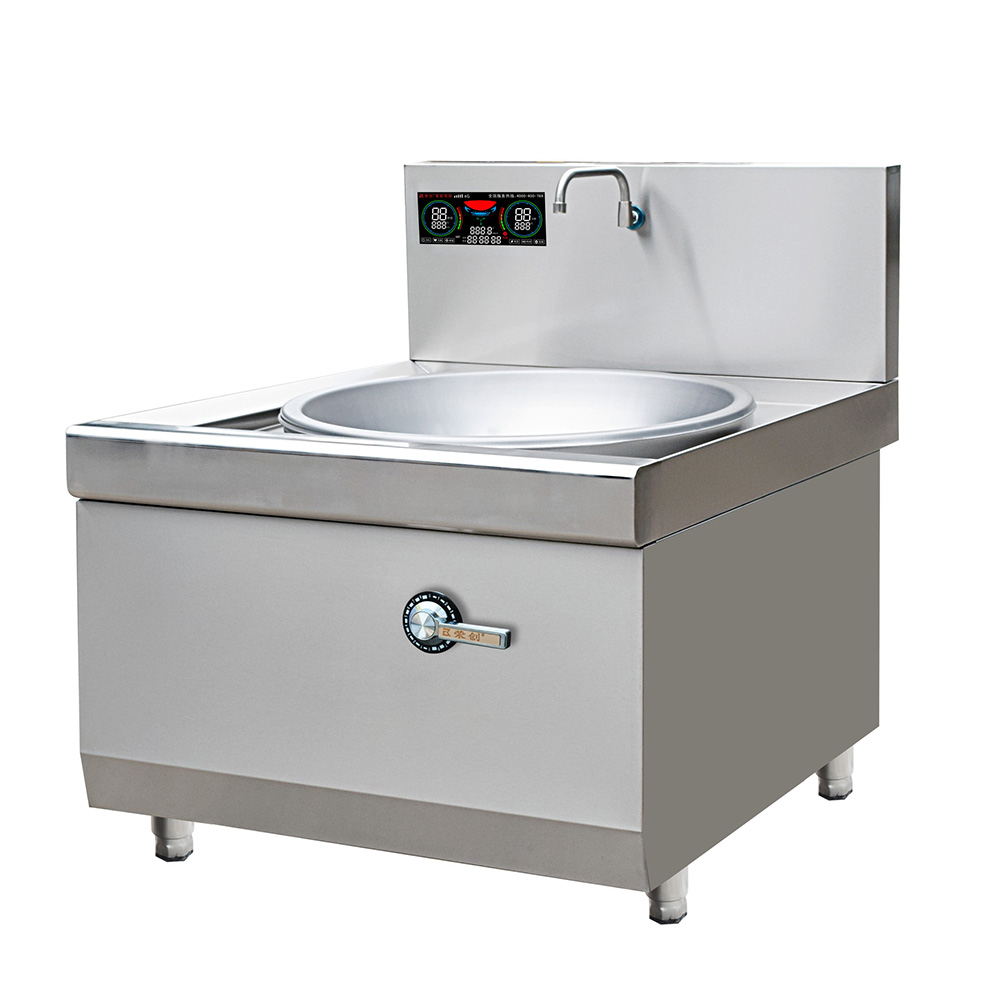
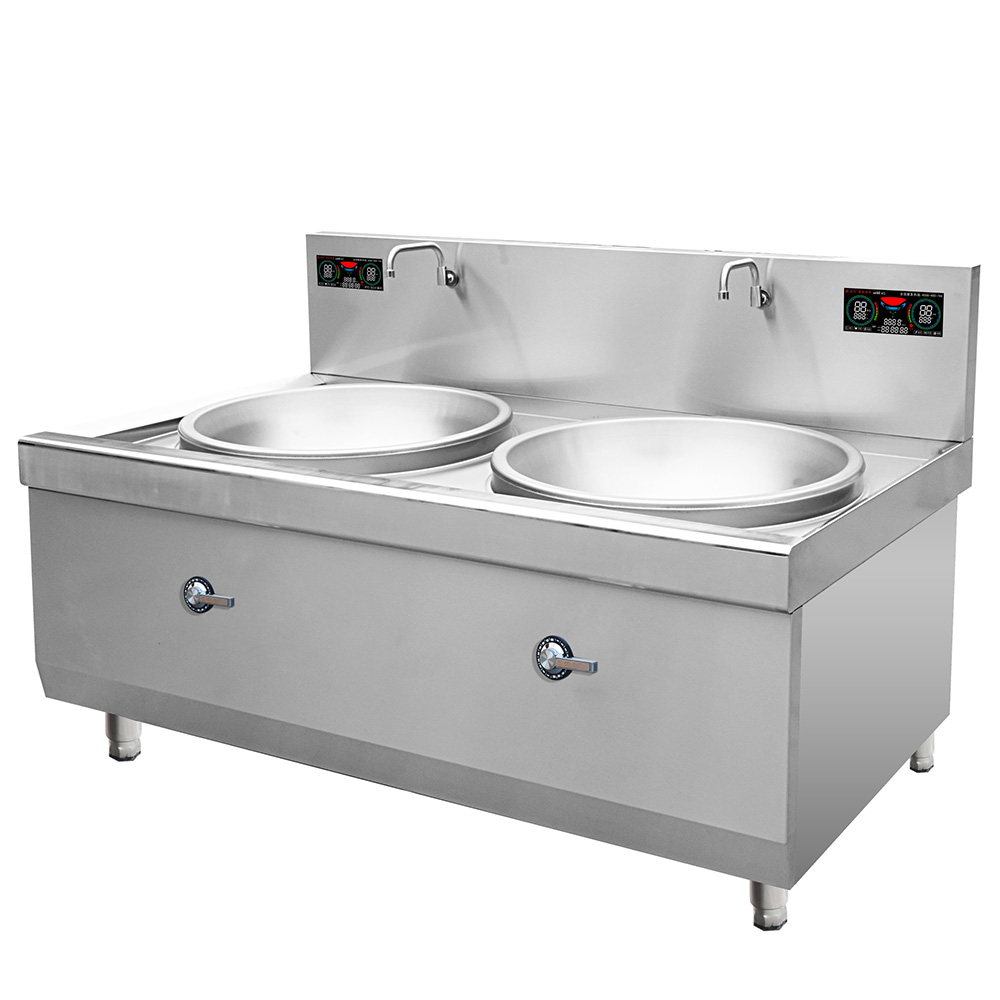
When it comes to modern cooking, the High-Power Induction Burner really stands out as a game-changer. Both pros and home cooks are starting to see how it can boost efficiency and give them much more control over their cooking. James Carter, an expert from Culinary Innovations, points out, "Getting a high-power induction burner isn’t just about cooking faster—it’s about really sharpening your skills in the kitchen."
This technology packs a punch with high power and super-precise temperature control, making it a must-have for anyone serious about stepping up their cooking game. With features like quick heating and energy savings, a high-power induction burner can seriously transform how you prep your meals. But, here's the thing—sometimes folks overlook some practical details. Knowing what each feature offers helps you make smarter choices and get the most out of your purchase.
Now, while the idea of powerful induction cooking sounds great, not all models are the same. Things like safety options and how user-friendly the interface is can vary a lot. It's really worth taking a close look at brands you're considering, and reading through reviews to see what others have experienced. Taking the time to consider these factors means you’ll end up with a kitchen gadget that truly fits your needs—and makes cooking more enjoyable.

Key Features of High Power Induction Burners That Enhance Cooking Efficiency
Induction burners have transformed cooking efficiency significantly. Their high power features allow for faster cooking times and precise temperature control. According to a recent industry report, induction cooking can reduce meal preparation times by 30% compared to traditional gas stoves. This efficiency is achieved through electromagnetic fields that directly heat pots and pans, rather than the air around them.
Another crucial feature is energy efficiency. Induction burners utilize up to 90% of their energy for cooking. Traditional stoves only convert around 40-55%. This means less energy wastage and reduced utility bills. Moreover, the quick heating feature reduces the overall cooking time. A study indicates that induction cooktops can boil water in half the time of conventional options. This is particularly beneficial during peak meal times.
However, there are limitations to consider. Not all cookware is compatible with induction burners. Only ferrous materials will work. This can lead to additional costs in replacing old cookware. Users often find the initial investment to be higher, but the long-term savings often outweigh these concerns. Efficient cooking is great, but it may require adaptation and planning for new users.
Understanding Induction Burner Wattage and Its Impact on Cooking Speed
Induction burners have transformed cooking, blending efficiency with precision. One critical factor for buyers is wattage, directly influencing cooking speed. Higher wattage means faster heating, reducing meal prep time significantly. According to a report by the Appliance Standards Awareness Project, induction burners typically range from 1,200 to 3,700 watts. This range is crucial for various cooking techniques, from simmering to high-temperature frying.
Many home cooks may underestimate the importance of wattage. A burner with 1,800 watts will boil water in about seven minutes, while a 3,000-watt model achieves the same in just four minutes. This information shows how choosing the right wattage impacts not only convenience but also energy efficiency. However, higher wattage often leads to increased energy consumption, which warrants reflection on utility bills and sustainability.
Proper understanding of wattage can aid in selecting a burner for specific culinary needs. For example, high-powered induction burners are ideal for quick meals but may not suit slow-cooking recipes. Buyers should think critically about both their cooking habits and energy use. This exploration into wattage reveals its profound impact on cooking dynamics, prompting a reevaluation of choices in the kitchen.
The Role of Temperature Control in High Power Induction Burners
Temperature control is a crucial feature in high power induction burners. It ensures that cooking is efficient and precise. Many home cooks and professional chefs rely on this technology for optimal results. The ability to adjust heat quickly can make or break a dish.
Effective temperature control allows for uniform cooking. It minimizes hot spots, which can lead to uneven results. Some induction burners offer precise settings that let you select exact temperatures. This can be invaluable for delicate recipes that require careful attention. However, not all models provide this level of accuracy. Some users report fluctuating temperatures during cooking, which can be frustrating.
Additionally, the response time of temperature adjustments is important. It is helpful when transitioning from simmer to boil. A slow response can result in overcooking or burning. Some budget models may lack this responsiveness, leading to cooking inconsistencies. Reflecting on user experiences is vital when considering a purchase. Understanding these details can guide you to the best choice for your cooking needs.
Energy Efficiency Ratings: What to Look for When Buying an Induction Burner
When searching for a High Power Induction Cooktop, energy efficiency is crucial. Look for induction burners with high energy efficiency ratings, ideally above 90%. A report by the U.S. Department of Energy indicates that induction cooktops can reduce energy consumption by up to 50% compared to traditional gas cooking. This is a significant factor for both environmental impact and utility costs.
Consider the wattage of the unit. High wattage typically means faster cooking times, as most induction burners range from 1,200 to 3,700 watts. Units on the higher end provide more power but might consume more energy. It's essential to weigh cooking speed against energy use. A study from the Electric Power Research Institute shows that optimally using these cooktops can lead to up to 20% lower energy bills over time.
**Tip:** Always check for Energy Star certification. This label ensures the product meets energy efficiency benchmarks.
Another aspect to evaluate is the control settings. Some models feature precise temperature control, while others may lack clarity. Ensuring intuitive controls can make a big difference in convenience. Balancing budget and features is vital; cheaper models might skimp on energy efficiency, leading to higher bills later.
**Tip:** Research user reviews to understand long-term performance. This can guide you toward efficient models that meet your cooking demands.
Top 10 High Power Induction Burner Features Buyers Should Know
| Feature | Description | Energy Efficiency Rating | Power Output | Control Type |
| Adjustable Power Levels | Choose from multiple heating levels for precise cooking. | A+ | 3000W | Touch Controls |
| Rapid Heating | Fast heating capabilities reduce cooking times significantly. | A | 2200W | Slider Controls |
| Safety Features | Overheat protection and automatic shut-off features. | A+ | 1800W | Button Controls |
| Easy-to-Clean Surface | Smooth surface allows for effortless cleaning. | B | 2000W | Dial Controls |
| Portable Design | Lightweight and easy to transport for outdoor cooking. | A | 1500W | Remote Control |
| Multiple Cooking Functions | Capabilities for frying, boiling, and simmering. | A+ | 2800W | Touch Controls |
| Timer Function | Built-in timer for precise cooking duration. | A | 2300W | Slider Controls |
| User-Friendly Interface | Intuitive design for easy operation. | B | 1200W | Button Controls |
| Overheat Protection | Automatically shuts off when excessive heat is detected. | A+ | 2500W | Remote Control |
Comparing Induction Burner Sizes: Choosing the Right Fit for Your Kitchen
When selecting an induction burner for your kitchen, size matters. Many buyers overlook the dimensions that best suit their cooking habits and kitchen layout. A standard induction burner usually comes in sizes ranging from 30 cm to 60 cm. According to a recent market analysis, nearly 70% of users prefer a compact design for efficiency and space-saving, especially in urban kitchens where real estate is limited.
It’s important to assess your typical cooking needs. A smaller burner might be adequate for solo cooking or couples, but larger families often require more cooking surface. Data suggests that homes with three or more members should consider a China High Power Induction Cooktop that is at least 60 cm. This size not only provides adequate space but also enhances cooking performance with multiple pots or pans used simultaneously.
Moreover, the layout of your kitchen can dictate your choice. An island setup may benefit from a built-in model, while wall-mounted configurations can limit space usage effectively. Buyers need to reflect on how much cooking they do. Those cooking frequently will require more power and space. Conversely, sporadic cooks might find smaller units sufficient. Understanding your unique cooking profile helps in making an educated choice.
Safety Features in High Power Induction Burners: Protecting Users and Equipment
High power induction burners are gaining traction in various culinary environments, thanks to their efficiency and safety features. One critical aspect is their ability to minimize risk during use. Advanced sensors monitor temperature and ensure that the appliance only operates when cookware is in place. This prevents overheating and enhances user safety.
An industry report revealed that 70% of kitchen accidents can be attributed to traditional cooking methods. Induction burners can reduce this figure significantly. They cool down rapidly after the cookware is removed. This immediate cooling reduces the risk of burns, making them ideal for home cooks and professionals alike.
Tips: Always inspect your induction burner for any visible signs of wear or damage. A well-maintained unit is safer and operates more efficiently. Ensure your cookware is compatible as well, which is essential for both performance and safety.
Another noteworthy feature is their auto shut-off capability. If left unattended, the burner powers down after a preset time. This feature is invaluable in busy kitchens where distractions are common.
Tips: Familiarize yourself with the burner’s safety settings. Understanding the controls can help mitigate risks and enhance your cooking experience. Investing in a Wholesale High Power Induction Cooktop can therefore provide both advanced features and peace of mind.
Durability and Material Quality: Ensuring Long-Lasting Performance in Burners
When selecting a high power induction burner, durability and material quality are crucial for long-lasting performance. A study from the Culinary Institute of America indicates that induction burners made from high-grade materials tend to last over 15 years, compared to lower-quality options that may fail within five. The best induction cooktops utilize stainless steel or cast iron components resistant to corrosion and warping. These materials provide stability and efficiency.
Moreover, the impact of material quality on heating efficiency cannot be ignored. A report by the National Association of Home Builders highlights that well-constructed burners can reduce energy consumption by up to 30%. However, not all manufacturers emphasize robust materials. Buyers often face challenges discerning between options. While some might look appealing, they may not withstand daily wear and tear.
It's important to consider how the burner is constructed. Look for those featuring reinforced structures and robust finishes. A common oversight is underestimating the importance of a good warranty. A long warranty indicates confidence in the product’s durability. Those purchasing the Best High Power Induction Cooktop should ensure they are making a wise investment by prioritizing these attributes.
FAQS
: Induction burners cook faster and offer precise temperature control, enhancing cooking efficiency.
It can reduce meal preparation times by up to 30% compared to traditional gas stoves.
Induction burners utilize up to 90% of energy for cooking, compared to 40-55% for traditional stoves.
No, only cookware made from ferrous materials will work with induction burners.
Higher wattage means faster heating; a 3,000-watt model boils water faster than an 1,800-watt one.
Yes, users may need to buy new cookware compatible with induction burners.
A smaller burner may be suitable for couples, while larger families often require a bigger cooking surface.
Yes, higher wattage improves cooking speed but may lead to increased energy consumption.
The kitchen layout affects burner choice; built-in models work well in islands, while wall-mounted styles save space.
Consider your cooking frequency; frequent cooks might need more power and space, while occasional cooks may opt for smaller units.
Conclusion
When considering a high-power induction burner, it's essential to understand its key features that significantly enhance cooking efficiency. Key considerations include the wattage of the burner, which directly influences cooking speed, as well as the effectiveness of temperature control for achieving precise cooking results. Additionally, energy efficiency ratings play a critical role in determining the long-term costs associated with using an induction burner.
Moreover, choosing the right size induction burner for your kitchen is crucial to ensure it meets your cooking needs while maintaining safety standards. Safety features designed to protect both users and equipment are paramount, alongside the durability and material quality of the burner, which ensures long-lasting performance. By keeping these factors in mind, buyers can make informed decisions when selecting a high-power induction burner that best suits their culinary requirements.