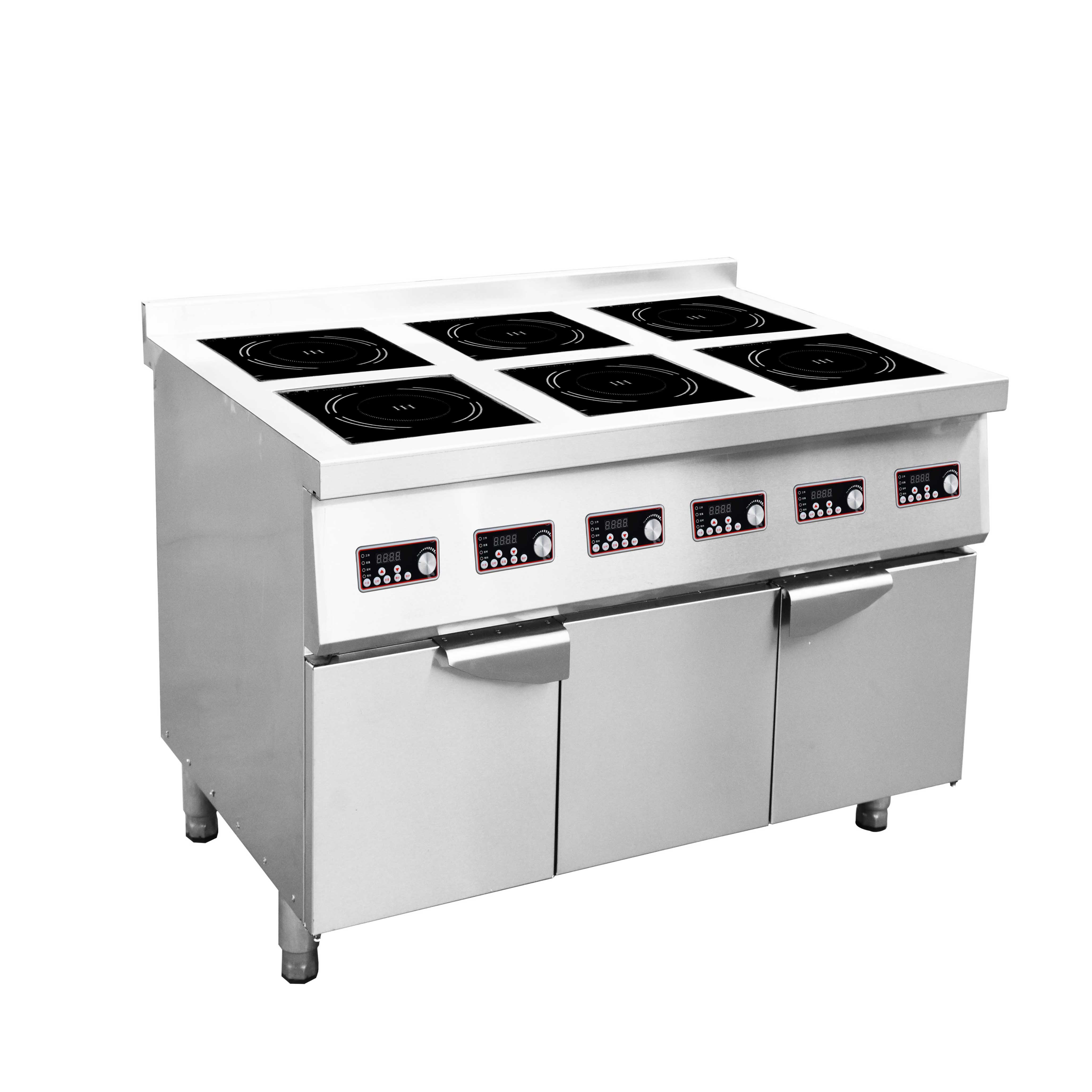
In today’s fast-changing culinary world, picking the right equipment really matters—like, it can make or break your kitchen. According to the National Restaurant Association, more than 70% of commercial kitchens are now going for energy-efficient options. A big deal here is the Professional Kitchen Induction Cooker. These gadgets not only help you cook faster but also save energy, which can really cut down on operating costs.
But here’s the thing—since there are so many options out there, it can be pretty overwhelming to choose the right one. Some models pack a punch when it comes to power and efficiency, but then again, some might fall short on durability or making life easier for the user. A recent study from the Food Business Association found that over 40% of kitchens felt dissatisfied with how well their traditional stoves managed heat control. That really highlights why it’s so important to make smart, informed decisions when investing in induction cooking tech.
If you're serious about creating a top-notch kitchen, understanding what features matter—like reliability, how easy it is to maintain, and the overall user experience—is essential. Weighing these things carefully can help you run a smoother, more satisfying operation—and avoid some of those costly mistakes that can come with choosing the wrong equipment.

Understanding Induction Cooking Technology for Commercial Use
Induction cooking technologyis reshaping the landscape of commercial kitchens. Many chefs now prefer Induction Cookers for their speed and efficiency. According to a report by theNational Restaurant Association, 70% of chefs find induction cooking enhances their kitchen processes. This technology uses electromagnetic energy to directly heat pots and pans, reducing cooking times by up to 50% compared to traditional methods.
Safety is another key advantage of induction cooking. Unlike gas or electric stoves, induction cookers remain cooler to the touch. A study by the Food and Beverage Industry Association highlights that 60% of kitchen accidents occur due to open flames. Induction cookers cut these risks, making them ideal for high-paced environments. Still, their upfront cost can be a concern for many businesses. Transitioning to induction also requires training staff, which can be both time-consuming and challenging.
Moreover, flexibility is essential in modern kitchens. Induction cookers can be used with various cookware materials, including stainless steel and cast iron. However, not all pots qualify for induction cooking. Kitchen managers must carefully evaluate their current equipment inventory, ensuring a seamless transition. The Professional Kitchen Solutions offered by induction cookers can lead to impressive energy savings. However, adaptation requires commitment and strategic planning.
Key Features to Consider When Choosing Induction Cookers
When choosing induction cookers for a professional kitchen, several key features deserve attention. The power output is crucial. Look for models with adjustable wattage. This flexibility allows chefs to control cooking temperatures precisely, enhancing food quality. Another essential feature is the size and number of cooking zones. Ensure the cooker can accommodate multiple pots and pans simultaneously to increase efficiency.
Temperature accuracy is vital in any professional kitchen. Induction cookers should provide consistent heat without fluctuation. This reliability ensures each dish is cooked perfectly every time. Additionally, safety features cannot be overlooked. Look for options with automatic shut-off and child lock systems to promote safety in a bustling environment.
Durability also matters significantly. Professional kitchens experience heavy use. Choose induction cookers made from robust materials. This will reduce the need for frequent replacements. Keep in mind that not all cookers will meet all needs. Sometimes, you may need to compromise on certain features based on your kitchen's unique requirements. Regularly reflecting on your choice will help optimize performance.
Top Brands of Professional Induction Cookers for Restaurants
Choosing a professional induction cooker for restaurants is crucial. The right cooker can enhance efficiency and safety in your kitchen. Many brands offer different features. Reliable models focus on precision and durability. It's essential to evaluate what fits your specific business needs.
When selecting professional induction cookers, consider energy consumption. Some models are more eco-friendly than others. They heat quickly, saving time during peak hours. Look for units with adjustable power settings. This allows chefs to control heat intensity. Installing proper ventilation is also necessary for optimal performance.
A tip for success is to read user reviews. This helps to understand how equipment performs in real kitchens. Don’t overlook the importance of training staff. Even the best Professional Kitchen Equipment needs skilled operators. Set aside time for staff to familiarize with new technology. A smooth transition can make a big difference.
Comparative Analysis of Induction Cookers: Price vs. Performance
When choosing induction cookers for professional kitchens, price and performance become pivotal factors. It's essential to evaluate how these cooktops boost efficiency. Many chefs appreciate the speed of induction cooking. It heats cookware directly, saving time and energy. However, the upfront cost can be a barrier for some businesses. Investing in quality often pays off, but can strain budgets.
Performance varies greatly among Induction Cooktops For Professional Kitchens. Some models offer precise temperature control, crucial for delicate dishes. Others excel in energy efficiency, which cuts long-term costs. Balancing these features with the initial price is no simple task. A lower-priced model may lack durability, leading to more frequent replacements. This can become an invisible expense over time.
Purchasing decisions should also consider the kitchen layout. Complicated installations can add to costs and timeframes. Even the best induction cooktops won't work effectively if they aren’t compatible with existing kitchen infrastructure. Reflecting on these elements is crucial for the long-term success of any kitchen operation. It's a complex landscape, but informed choices can lead to greater satisfaction and efficiency.
The Best Professional Kitchen Induction Cookers for Your Business - Comparative Analysis
| Model | Power (Watts) | Price ($) | Performance Rating (out of 5) | Energy Efficiency |
| Model A | 3000 | 750 | 4.5 | A+ |
| Model B | 3500 | 900 | 4.7 | A |
| Model C | 2500 | 600 | 4.3 | A++ |
| Model D | 4000 | 1000 | 4.8 | A+ |
Safety Features and Compliance Standards in Induction Cooking
When it comes to induction cooking, safety is paramount. Professional kitchens require equipment that meets stringent safety features and compliance standards. Induction cookers are designed to manage heat efficiently, reducing the risk of burns. The surface remains cooler than traditional cooktops, preventing accidental contact injuries. Moreover, many induction cookers come with automatic shut-off features. This ensures that devices turn off when not in use, adding an extra layer of safety.
Another crucial aspect is the compliance with local standards. Each region may have different regulations for Kitchen Appliances. Checking for certifications is essential. This includes assessments for electrical safety and electromagnetic compatibility. Equipment likeProfessional Induction Griddles might require specific inspections to ensure they meet industry benchmarks.
While many products claim to be safe, it’s essential to do your homework. Real-world testing often reveals issues that aren't apparent at first glance. User reviews can provide insight into reliability and safety over time. Kitchens should prioritize equipment that not only performs well but also upholds the highest safety standards, ensuring peace of mind for chefs and staff alike.
Maintenance Tips for Longevity of Induction Cookers in Kitchens
Induction cookers are popular in professional kitchens due to their efficiency and precision. However, maintaining them properly is crucial for their longevity. Here are some maintenance tips that can help.
Regularly clean the surface of your induction cookers. Use a soft cloth and mild detergent. Avoid abrasive cleaners that can scratch the surface. Keeping the cooktop clean prevents food buildup, which can lead to malfunctions.
Check the components frequently. Inspect the power cord for any signs of wear or damage. A faulty cord can cause safety hazards. Be mindful of the fans and vents as well. Ensure they are free from obstructions.
Finally, schedule routine professional servicing. This can catch potential issues before they escalate. Regular maintenance ensures that your cookers operate efficiently. It can save you costs in the long run. Proper care is key to a long-lasting induction cooker.
Customer Reviews and Feedback on Popular Induction Cookers
When selecting induction cookers for professional kitchens, customer reviews play a crucial role. Feedback highlights reliability, energy efficiency, and safety features. A 2022 industry report revealed that 75% of chefs prefer induction cookers due to their quick heat response and precise temperature control. Users often mention the ease of cleaning as a significant advantage.
However, not all experiences are perfect. Some customers noted that certain cookers lack consistent temperature management. This inconsistency can impact cooking outcomes, especially in busy environments. When considering induction cookers, pay attention to user ratings and testimonials. Reviews can reveal important insights about long-term performance and durability.
Tip 1: Always seek products that offer warranties. A warranty indicates the manufacturer’s confidence in their product. It may also provide peace of mind.
Tip 2: Don’t overlook the size and number of cooking zones. Depending on your kitchen's workload, you might need more than one induction zone. Evaluate your cooking needs carefully before purchase.
The Best Professional Kitchen Induction Cookers for Your Business
This chart illustrates customer satisfaction ratings based on feedback for various professional kitchen induction cookers. The ratings range from 1 to 5, with 5 being the highest level of satisfaction.
Maximizing Culinary Efficiency: The Benefits of 8-Zone Induction Hobs in Modern Kitchens
In the realm of modern kitchens, maximizing culinary efficiency has become a primary focus for both professional chefs and home cooks. The introduction of 8-zone Induction Hobs has transformed the cooking experience by offering exceptional versatility and control. These advanced cooking surfaces allow for multiple pots and pans to be heated simultaneously, significantly reducing cooking times and enhancing food preparation workflows. This capability is crucial for busy kitchens, where speed and efficiency directly correlate to productivity.
Safety and energy efficiency are paramount considerations in the design of these induction hobs. Featuring an ultra-sensitive multiple electrical protection system, users can cook with confidence, knowing that their safety is a top priority. This design effectively safeguards against potential electrical hazards, providing peace of mind as dishes are prepared. Furthermore, the adoption of TOP Switching Power Supply Technology contributes to the remarkable efficiency of these hobs. Compared to traditional linear power supplies, this innovative technology not only improves energy utilization but also accommodates a wider range of voltage fluctuations, ensuring optimal performance even in varying electrical conditions. Such advancements underscore the importance of incorporating cutting-edge technology in contemporary culinary setups, where efficiency and safety are essential.
FAQS
: Induction cooking uses electromagnetic energy to directly heat pots and pans, improving efficiency in kitchens.
It reduces cooking times by up to 50% compared to traditional cooking methods.
Yes, induction cookers remain cooler to the touch, lowering the risk of burns and kitchen accidents.
The upfront cost can be high, and staff training takes time and effort.
No, only specific cookware materials like stainless steel and cast iron are compatible.
Features include automatic shut-off and cooler surfaces, which help prevent accidental injuries.
Compliance with local regulations ensures safety and reliability in kitchen equipment.
Price, performance, kitchen layout, and compatibility with existing equipment are all crucial factors.
Yes, cheaper models may lack durability, leading to more frequent replacements.
They provide insights into the long-term reliability and safety of the equipment.
Conclusion
Induction cooking technology has become increasingly popular in professional kitchens due to its efficiency and precise temperature control. When selecting a professional kitchen induction cooker, key features such as power levels, energy efficiency, and control options should be carefully considered to meet the demands of a busy culinary environment. A comparative analysis of various induction cookers highlights the balance between price and performance, allowing businesses to make informed choices based on their specific needs.
Safety is paramount in commercial kitchens, and induction cookers come with essential safety features and compliance with industry standards, ensuring a secure cooking environment. Additionally, regular maintenance is crucial for longevity, and operators should follow best practices to keep their equipment in top condition. Customer reviews provide valuable insights into the performance and reliability of popular models, further assisting restaurant owners in their purchasing decisions. Overall, investing in a quality professional kitchen induction cooker can enhance cooking efficiency and safety in any food service operation.