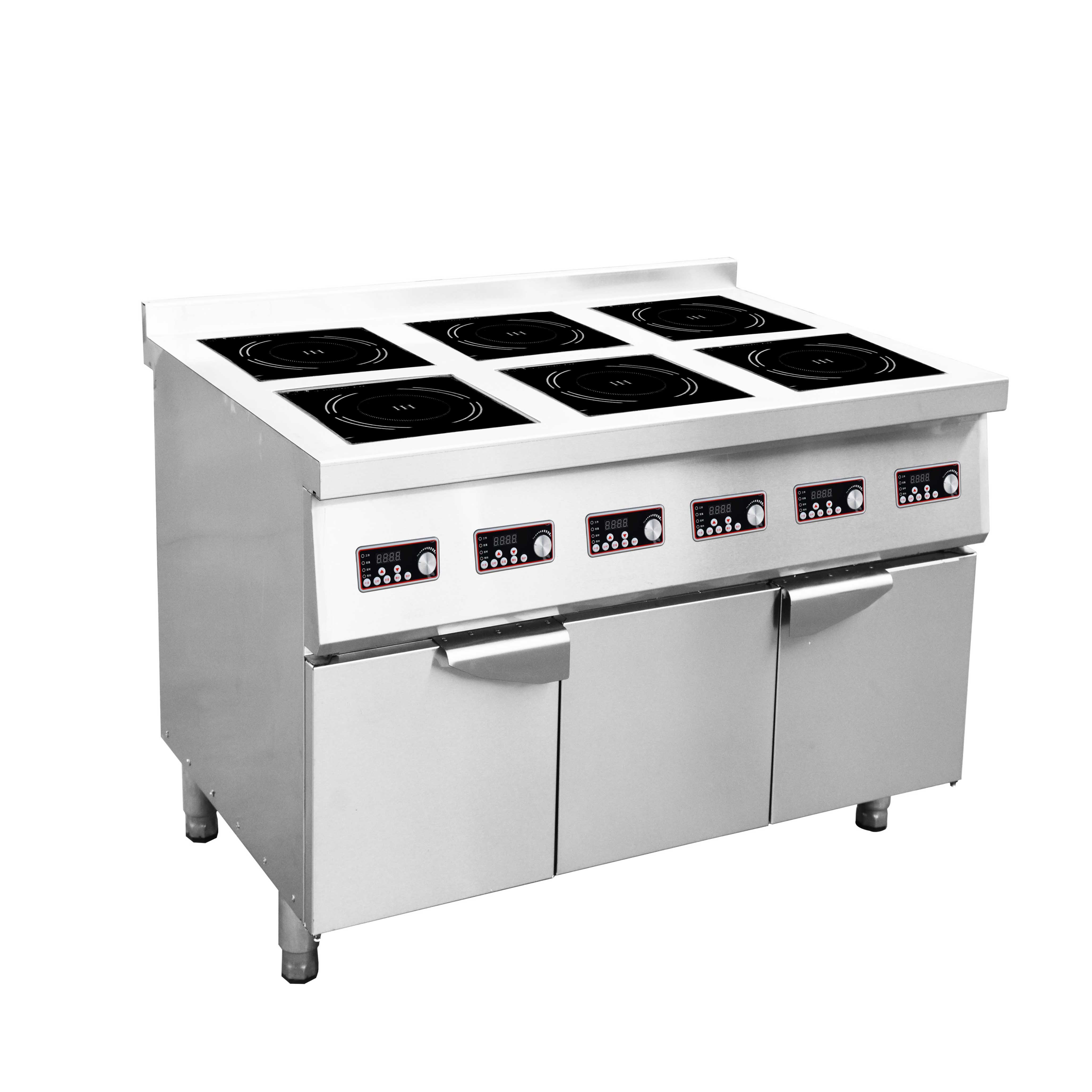
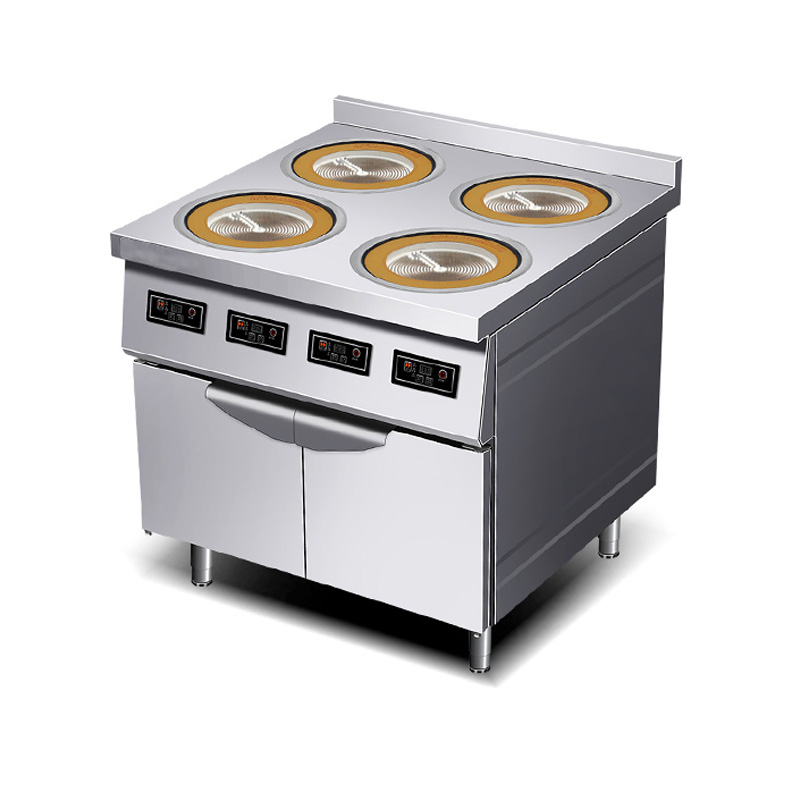
In today’s pretty competitive world of cooking, things like efficiency and safety aren’t just buzzy terms—they’re absolutely essential. Tons of kitchens are now turning to newer tech to stay ahead of the game. One cool piece of gear that’s been gaining popularity is the Built-In Commercial Induction Hob. It’s really a smart combo of performance and safety, especially perfect for those busy restaurant kitchens where every second counts.
What makes this hob stand out? Well, it heats up pots and pans directly, so there’s less energy wasted—saving you money on your utility bills and quickening the whole cooking process. Chefs tend to love how they can whip up dishes faster thanks to its precise temperature control. Plus, its sleek design helps save space, which can be a lifesaver in tight, crowded kitchens.
That being said, it’s not all smooth sailing. Some folks might need a little time to get used to how quickly it heats up—I mean, it responds fast! Proper training for your team is key to really making the most of it. Integrating this kind of tech into your kitchen isn’t just plug-and-play; it’s about thoughtful planning. When you do get it right, this tech can totally change the game, but you’ve gotta understand how it works and how to keep it running smoothly for the best results.

Advantages of Increased Energy Efficiency in Induction Hobs
Energy efficiency is a crucial factor in modern commercial kitchens. Built-in commercial Induction Hobs offer significant advantages in this regard. According to a study by the U.S. Department of Energy, induction cooking is 90% energy efficient compared to gas and electric ranges, which hover around 40-60%. This efficiency translates to lower energy bills and reduced environmental impact.
Induction hobs heat food directly through magnetic fields, minimizing heat loss. This not only saves energy but also reduces cooking times. A report from the International Energy Agency suggests that using induction technology can cut energy consumption in professional kitchens by approximately 30%. Many businesses report that this efficiency leads to faster service, higher customer satisfaction, and lower operational costs.
While the advantages are clear, there are challenges. Some chefs may need time to adapt to induction cooking. The upfront cost of installation can be a barrier for some. However, the long-term savings and efficiency often outweigh initial expenditures. Reflecting on these factors is crucial for any business considering an upgrade to induction technology.
Enhanced Safety Features of Built-in Commercial Induction Hobs
Built-in commercial induction hobs are becoming increasingly favored in the culinary industry. One significant advantage lies in their enhanced safety features. Unlike traditional gas or electric cooktops, induction hobs use electromagnetic energy to directly heat cookware. This means that the cooking surface remains relatively cool to the touch, reducing the risk of burns. Data from industry reports indicate a 60% decrease in kitchen-related accidents when using induction cooking methods compared to conventional methods.
Moreover, built-in commercial induction hobs are equipped with automatic shut-off features. If a pot is removed, the heat source immediately turns off. This not only conserves energy but also minimizes fire hazards. Restaurants that have transitioned to induction technology report a notable improvement in kitchen safety culture. Staff can operate kitchens more confidently and effectively.
Restaurant owners often debate whether the Best 2 Ring Induction Hob Built-In can suit their needs. While it's true that induction cooking requires compatible cookware, the advantages in safety are compelling. It's essential for businesses to assess their kitchen environments. The shift to induction technology should include training for staff. Safety training is critical, as even the best cooking equipment can't eliminate all risks without properly trained personnel.
Streamlined Cooking Processes with Built-in Induction Hobs
In the fast-paced world of commercial kitchens, efficiency is key. Built-in induction hobs offer streamlined cooking processes that can significantly transform your culinary operations. According to recent industry reports, induction cooking can reduce cooking times by up to 50%. This means chefs can prepare dishes faster, serving customers more efficiently.
Induction hobs provide instant heat adjustments. When a chef changes the setting, the temperature responds in seconds. This precision helps maintain the ideal cooking conditions, minimizing risks of overcooking. Research indicates that maintaining proper cooking temperatures can decrease food waste by 30%. This not only improves profitability but also reflects a commitment to sustainability.
However, induction cooking isn't without its challenges. Staff may require training to adapt to new technology. More experienced chefs might feel hesitant about changing their cooking habits. Balancing traditional techniques with modern equipment can create friction in the kitchen. Understanding these dynamics is essential for successful implementation.
Cost-Effectiveness of Induction Hobs for Long-Term Use
In the fast-paced world of commercial kitchens, cost-effectiveness is paramount. Built In Induction hobs offer significant savings over time. They use electromagnetic energy, which heats pots and pans directly. This efficiency means less energy is wasted, resulting in lower utility bills. Many businesses see a return on investment in just a few years.
Maintenance costs also drop with built-in induction hobs. Their flat surface is easy to clean, preventing buildup of grease and grime. However, initial purchase prices can be higher compared to traditional cooking methods. It's essential to weigh the long-term benefits against upfront expenses. Over time, businesses will likely find that the durability of induction hobs offsets initial costs.
One challenge remains: training staff to use new technology. Employees may face a learning curve when adapting to built-in induction systems. Proper training is necessary to maximize efficiency. Despite this hurdle, many commercial kitchens embrace induction technology as it aligns with modern culinary demands. In conclusion, the cost-effectiveness of built-in induction hobs makes them a savvy choice for any business aiming for efficiency and savings.
Flexible Cooking Options for Diverse Menus and Requirements
Flexible cooking options are essential in the competitive food service industry. Built-in commercial induction hobs offer versatility that meets diverse menu requirements. They allow chefs to switch between different cooking methods quickly. This adaptability is vital for restaurants catering to various dietary preferences, such as vegan, gluten-free, or ethnic cuisines. According to a report by the National Restaurant Association, 80% of culinary professionals believe menu diversity enhances guest satisfaction.
Induction Cookers heat up faster than conventional methods, improving efficiency. A study from the Department of Energy highlighted that induction cooktops use up to 90% of their energy for cooking. This efficiency not only reduces energy costs but also minimizes wait times for customers. The ability to precisely control temperatures helps chefs achieve consistent results. However, relying solely on one cooking method can be limiting. A combination of techniques often yields the best outcomes.
Using a Built In Induction Cooker introduces nuanced flavors and textures. This equipment is beneficial in busy kitchens, but it can present learning curves. Staff must be trained to utilize its full potential. Implementing this technology can result in initial challenges. Yet, the long-term benefits often outweigh those early difficulties. Adapting to these changes can elevate a restaurant’s reputation and meet evolving consumer demands.
Improved Temperature Control and Cooking Precision
Temperature control is crucial in any commercial kitchen. Built-in induction hobs excel in this area. They allow chefs to achieve precise heating levels quickly, enhancing the cooking process. The rapid response to temperature changes prevents overcooking or undercooking, ensuring that every dish meets high standards.
Using a Built In Induction Cooktop also improves efficiency. Chefs can switch from simmering to boiling in seconds. This reduces waiting time during busy service hours. Precise cooking also means less energy waste. That’s a win for both the environment and your bottom line.
Tips for using your induction hob effectively: Regularly clean the surface for optimal performance. Use compatible cookware that ensures even heating. Pay attention to the settings; lower temperatures can yield better flavors. Remember that sharing knowledge about these features can elevate your team’s cooking game. Induction cooking can seem challenging at first, but practice leads to mastery. Air on the side of caution when adjusting temperatures to avoid mistakes. With time, chefs will harness the full potential of built-in induction hobs.
Easier Maintenance and Cleaning of Induction Cooking Surfaces
Induction cooking surfaces are gaining traction in commercial kitchens. They are not only efficient but also remarkably easy to maintain. Unlike gas or electric stoves, induction hobs do not heat the cooking surface. This means spills do not burn onto the surface, simplifying cleanup. According to a recent report, 72% of chefs prefer induction due to quick cleaning processes.
Regular cleaning protocols can be cumbersome. However, induction surfaces only require a quick wipe with a damp cloth. This efficiency can lead to a significant reduction in labor hours. Research shows that kitchens using induction technology reduced cleaning time by 30%. It's a win for both cleanliness and operational efficiency.
Nevertheless, some users report a learning curve with induction controls. New staff may take time to adapt. The immediate responsiveness of induction heating can also lead to unintentional overheating. Monitoring the cooking process is essential. This requires staff vigilance for optimal results. Training programs can address these challenges effectively while maximizing the benefits. Induction cooking not only enhances efficiency but also encourages better culinary practices.
Top Benefits of Built-in Commercial Induction Hobs for Your Business
| Benefit | Description | Impact on Business |
| Easier Maintenance | Induction hobs have smooth, flat surfaces that are easy to clean and maintain. | Reduced labor and time cost for kitchen maintenance. |
| Improved Safety | Induction cooking surfaces stay cool to the touch, minimizing burn risks. | Creates a safer work environment for kitchen staff. |
| Energy Efficiency | Induction hobs heat cookware directly, wasting less energy than traditional methods. | Lower energy bills and reduced carbon footprint. |
| Faster Cooking Times | Induction cooking allows for faster heating and cooking of food. | Increased kitchen efficiency and productivity. |
| Versatile Cooking Options | Compatible with various cooking styles and cookware types. | Flexibility in menu offerings and cooking techniques. |
Maximizing Kitchen Efficiency: Insights from Industry Reports on the 6 Tray Commercial Combination Oven RC-ZKX-6
Maximizing kitchen efficiency is critical in today's fast-paced culinary environment, particularly in commercial settings. Industry reports indicate that the use of a 6 tray commercial combination oven can significantly enhance kitchen productivity. One standout feature of this type of oven is the "Family Mix" function, which intelligently suggests combinations of ingredients that can be cooked together without compromising flavor. According to studies, proper ingredient pairing can reduce cooking times by up to 30%, allowing chefs to serve a higher number of guests without sacrificing quality.
Another essential aspect of kitchen efficiency is maintaining the integrity of dishes during service. The "Perfect Hold" feature of these combination ovens addresses this need by ensuring optimal insulation for prepared meals. Research shows that maintaining the ideal serving temperature can be crucial, as it not only preserves taste and texture but also enhances customer satisfaction. Data indicates that meals served at the correct temperature are up to 40% more likely to receive positive feedback from diners. This level of attention to detail is what sets successful commercial kitchens apart, making the implementation of such features pivotal for maximizing operational efficiency and customer service.
FAQS
: Induction hobs use electromagnetic energy, keeping surfaces cool and reducing burn risks significantly.
They feature automatic shut-off. If a pot is removed, the heat source stops immediately, minimizing fire hazards.
Yes, cooking times can be reduced by up to 50%, allowing chefs to serve customers quicker.
Proper temperature maintenance can decrease food waste by 30%, enhancing profitability.
Yes, staff may need training. Experienced chefs might resist changing their cooking habits, creating friction.
They adapt quickly to different cooking methods, catering to diverse dietary preferences like vegan or gluten-free.
Absolutely, they use up to 90% of energy for cooking, reducing costs and wait times for customers.
Assessing kitchen environments and providing safety training for staff is crucial to mitigate risks.
Yes, combining different cooking methods often yields better results than using only one.
Proper training and adaptation can lead to long-term benefits, improving restaurant reputation and meeting demands.
Conclusion
The article discusses the numerous advantages of using built-in commercial induction hobs for businesses in the culinary sector. One of the key benefits is the increased energy efficiency, which not only reduces operational costs but also minimizes environmental impact. Additionally, these hobs are designed with enhanced safety features, ensuring a secure cooking environment for staff.
Built-in commercial induction hobs also streamline cooking processes, making it easier to manage diverse menus and cooking requirements. With improved temperature control and precision, chefs can achieve consistent results every time. Furthermore, the cost-effectiveness of these induction hobs makes them a long-term investment for businesses. Maintenance and cleaning are simplified, allowing kitchen staff to focus more on food preparation rather than appliance upkeep. Overall, built-in commercial induction hobs offer a well-rounded solution for modern commercial kitchens.