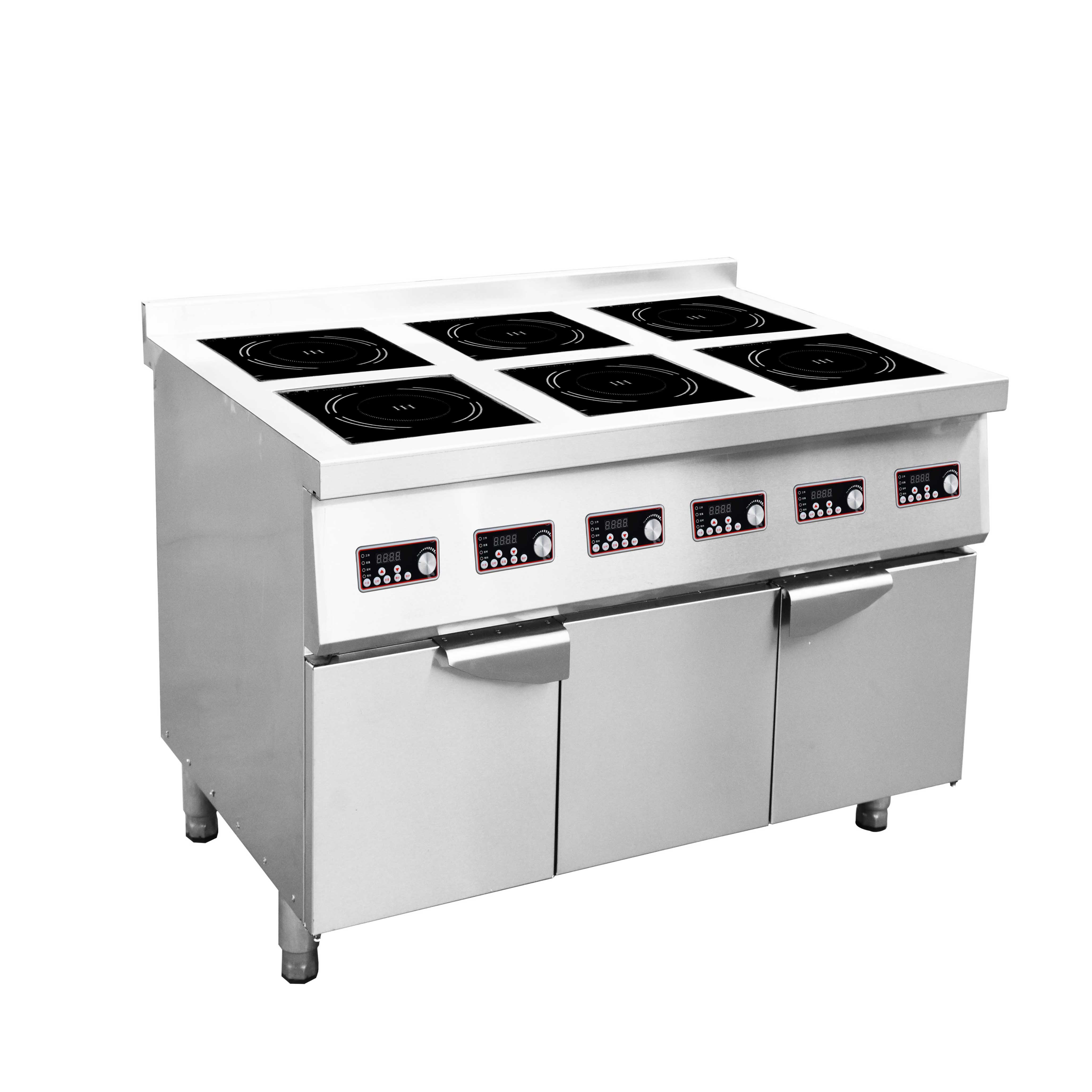
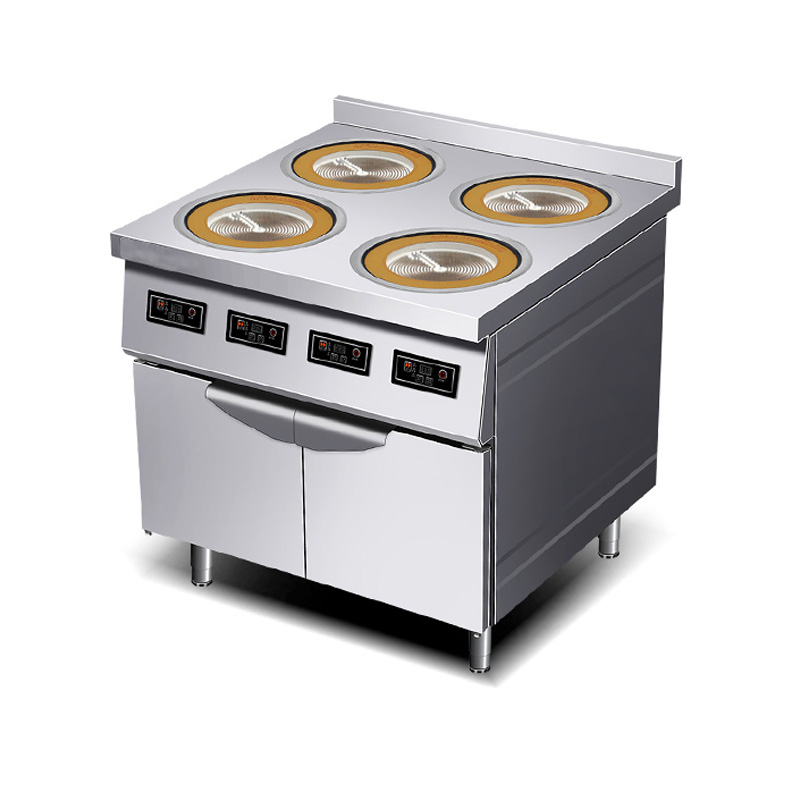
Have you checked out Industrial Induction Steamers? They've really shaken up the food scene with how quickly and efficiently they heat up. I was talking to John Smith, a well-known expert at Culinary Innovations, and he mentioned that "the speed and precision of these Steamers are just unbeatable." Honestly, that totally shows how useful they are in busy, commercial kitchens where every second counts.
Basically, these steamers use pretty advanced induction tech to heat water super fast, turning it into steam in just a few minutes. That means chefs can cut down on cooking times and spend more time perfecting flavors and presentation. Of course, switching over isn't always a breeze—many folks are used to the old-school steaming methods and might find these new gadgets a bit intimidating at first.
Yeah, it can be a bit tricky figuring out all the settings and functions at first, and I get it—no one likes feeling overwhelmed, especially in a busy kitchen. But honestly, the benefits far outweigh the initial learning curve. As more kitchens start hopping on this bandwagon, it’s probably a good idea to improve training and support. Eventually, embracing this tech will make the whole culinary experience better for everyone involved.

What is an Industrial Induction Steamer?
An industrial Induction Steamer represents a significant advancement in food preparation technology. These devices utilize electromagnetic fields to rapidly heat metal cookware, achieving high temperatures almost instantly. This method enhances cooking efficiency, reduces energy consumption, and ensures uniform cooking across various food types. According to industry reports, induction cooking can reduce energy usage by up to 30% compared to traditional gas or electric methods.
What sets industrial induction steamers apart is their versatility. They are ideal for large-scale food service operations, including restaurants and catering businesses. Steamers can prepare vegetables, seafood, and grains without the risk of overcooking. Moreover, they enable precise temperature control, which is crucial for maintaining food quality. Data shows that restaurants using Countertop Steamers can maximize output without compromising on taste or texture.
However, adopting induction technology may come with challenges. The initial investment for industrial induction steamers can be significant. Additionally, not all kitchen staff may be familiar with this technology, leading to a learning curve. Ensuring adequate training is essential for maximizing efficiency. While induction steamers offer numerous benefits, operators must also consider maintenance and operational changes that can arise with this innovative equipment.
Key Components of an Industrial Induction Steamer
An industrial induction steamer is a powerful tool in food preparation. It uses electromagnetic fields to generate heat efficiently. This method reduces cooking times and conserves energy. The steamer is designed for large-scale operations, making it essential in commercial kitchens.
Key components of an industrial induction steamer include the induction cooktop, which converts electrical energy into heat. The cooking vessel is also specialized. It must contain magnetic materials to work effectively. The steamer’s control panel allows precise temperature management. This precision is crucial for achieving consistent results.
However, operating an induction steamer requires training. Staff must understand the equipment's specifics. Sometimes, ensuring that the right cookware is used can be overlooked. Mistakes can lead to uneven cooking. Proper maintenance is vital too; neglecting it can result in reduced efficiency. Finding the right balance between speed and quality can be challenging but is necessary for optimal performance.
How Does Induction Heating Work in Steamers?
Induction heating technology is gaining traction in industrial steamers. It uses electromagnetic fields to heat pots directly. Unlike traditional heating methods, induction doesn't rely on flame or hot surfaces. This process results in faster heating times and improved energy efficiency, making it an attractive option for various industries.
Induction steamers work by creating a magnetic field that generates heat in the cooking vessel. The induced currents heat the metal pot, which in turn heats the water inside. This is a highly efficient process, as energy is focused directly on the pot. However, this technology does have limitations. Certain materials do not respond well to induction heating, and using the wrong type of pot can lead to uneven cooking.
The reliability of induction technology depends on several factors. It's essential to consider the specifications of the steamer, as well as the cooking vessels used. A common oversight is selecting cookware that is not induction-compatible. This can lead to suboptimal performance and frustration in industrial settings. Understanding these nuances can enhance the effectiveness of induction steamers in various applications.
Advantages of Using Industrial Induction Steamers
Industrial induction steamers are becoming increasingly popular in various sectors. These devices offer numerous advantages that can streamline operations. They provide quick steam generation, which reduces waiting times significantly. This efficiency is beneficial for food processing and manufacturing, where time is critical.
One major advantage is energy efficiency. Industrial induction steamers use induction heating. This method directly heats the water, minimizing wasted energy. Because of this, they can significantly lower energy bills. Additionally, induction steamers often require less maintenance than traditional models. Their simpler design means fewer parts to wear out or repair.
Tips: Regularly clean your induction steamer to ensure optimal performance. After each use, wipe down surfaces to prevent buildup. This habit can prolong the lifespan of the equipment.
Another noteworthy point is that these steamers are safer to use. The surface remains cool, reducing burn risks. However, careful handling is still necessary. Operators should remain vigilant to avoid potential hazards in busy environments.
Embracing industrial induction steamers can lead to enhanced productivity. Efficiency translates into faster production times. While these devices may have initial costs, the long-term savings and benefits can be substantial. Consider these factors when evaluating your equipment options.
What is an Industrial Induction Steamer and How Does it Work? - Advantages of Using Industrial Induction Steamers
| Feature | Description |
| Heating Method | Uses electromagnetic fields to generate heat directly in cookware. |
| Efficiency | Highly efficient with rapid heating, reducing energy consumption. |
| Cooking Speed | Cooks food faster than traditional steaming methods. |
| Control | Precise temperature control allows for better cooking results. |
| Safety | Lower risk of burns as the surface remains cool to touch. |
| Cleaning and Maintenance | Easier to clean due to minimal residue and less splatter. |
| Environmental Impact | Reduced carbon footprint compared to gas or electric steamers. |
Applications of Industrial Induction Steamers in Various Industries
Industrial induction steamers have gained popularity across various sectors for their efficiency and precision. These appliances utilize electromagnetic energy to generate steam rapidly. This results in uniform heating and reduced energy consumption. According to recent studies, Industrial Induction Cooking Appliances can achieve up to 90% thermal efficiency, outperforming traditional steamers significantly.
In the food industry, induction steamers are essential for cooking, blanching, and food preparation. They ensure consistent quality while reducing cooking times. A report by the Food and Agriculture Organization highlighted that adopting induction steamers can boost productivity by over 30% in large-scale food operations. Similarly, in the pharmaceutical industry, these devices are used for sanitization tasks, providing reliable steam at required temperatures. Their precise control helps prevent contamination, an important factor in medicine production.
Despite their benefits, some challenges exist. The initial investment for induction technology can be high, deterring smaller businesses. Moreover, not all facilities have the necessary electrical infrastructure. This introduces a need for careful planning and assessment before implementation. Such considerations can lead to a better deployment strategy for industrial induction Cooking Appliances. Balancingcost with efficiency is a critical factor for many industries.
Comparison with Traditional Heating Methods
Industrial induction steamers represent a significant advancement in heating technology. They utilize electromagnetic fields to generate heat directly in the cooking vessel. This leads to efficient and uniform heating, a stark contrast to traditional methods. Conventional heating involves heating the air or surface first, which can result in uneven temperatures and longer cooking times.
When comparing the two methods, the benefits of induction are clear. Induction is faster and more energy-efficient. It reduces heat loss and is usually safer, as the surfaces remain cooler. However, the reliance on specific compatible cookware can be a limitation. Not all pots and pans function well with induction heating.
The Induction Cooker Industrial applications extend beyond simple cooking. They can effectively steam food and manage delicate ingredients, maintaining their texture and flavor. Some chefs find it challenging to adjust to this new technology. The transition from traditional methods requires time and experimentation. Getting accustomed to new equipment can be daunting. Nevertheless, the efficiency and precision of induction heating can lead to better culinary results in the long run.
Safety Features of Industrial Induction Steamers
Industrial induction steamers are designed to enhance efficiency in food preparation processes. One key aspect is their safety features. Advanced sensors detect overheating, ensuring safe operation even in busy kitchen environments. If a pot or pan is removed, the heating element automatically shuts off. This prevents accidental burns and saves energy.
Moreover, many models include built-in timers. They provide precise control over cooking times. Display panels often offer visual alerts, which add another layer of safety. Users can easily monitor cooking temperatures to avoid food contamination. The steamers are designed to minimize steam release, reducing moisture in the kitchen. This design helps maintain a safer cooking space.
Despite these features, some users may overlook safety protocols. Regular maintenance is essential for effective performance. When ignored, safety mechanisms may fail, leading to potential hazards. Users should prioritize proper training for staff. Knowing how to operate the equipment can prevent mishaps. An Industrial Induction Cooker can transform a kitchen, but only if used thoughtfully.
Industrial Induction Steamer Efficiency Comparison
Market Insights: The Rising Popularity of Single Induction Soup Cookers in Modern Kitchen Appliances Industry
The kitchen has evolved significantly over the years, and appliances that once seemed revolutionary are now commonplace. Among these innovations, single induction soup cookers have emerged as a shining star in modern kitchen appliances. What sets these devices apart is their remarkable versatility; they aren't just limited to soup-making. With capabilities for baking, frying, grilling, steaming, and stewing, they present a multifaceted approach to cooking that appeals to everyone from novice cooks to culinary enthusiasts.
Single induction soup cookers optimize kitchen space, effectively replacing multiple cluttered appliances with one sleek unit. This all-in-one cooking tool can handle a variety of culinary tasks, redefining how meals are prepared. Say goodbye to overcrowded countertops and difficult-to-reach kitchen cabinets. These cookers improve operational efficiency and simplify meal preparation, allowing cooks to focus on creativity rather than juggling multiple pots and pans. By integrating such versatility into everyday cooking, single induction soup cookers are not just appliances; they are essential tools that enhance the cooking experience in today’s fast-paced lifestyle.
FAQS
: They offer quick steam generation and energy efficiency, reducing operation time and energy bills.
They use induction heating, which directly heats the water and minimizes wasted energy.
Yes, the surface remains cool, reducing burn risks, but careful handling is still necessary.
Regularly clean the steamer after each use to prevent buildup and ensure optimal performance.
They are widely used in food preparation, and pharmaceutical sanitization, improving efficiency and quality.
The initial investment can be high, and not all facilities may have the required electrical infrastructure.
Advanced sensors detect overheating and shut off heating elements when pots are removed to prevent accidents.
Built-in timers provide precise control over cooking times, preventing contamination and ensuring safety.
Yes, neglecting maintenance can cause safety mechanisms to fail, creating potential hazards.
Proper training is essential to ensure safe operation and prevent mishaps in a busy kitchen environment.
Conclusion
Industrial induction steamers are innovative cooking devices that utilize induction heating technology to produce steam efficiently and quickly. They are composed of essential components, including induction coils, water tanks, and control systems, which work together to generate high temperatures through electromagnetic fields. This method of heating not only enhances cooking speed but also offers precise temperature control, making it a popular choice in various industries.
The advantages of using industrial induction steamers are significant, as they provide energy savings, improved safety features, and a reduced carbon footprint compared to traditional heating methods. These steamers are widely applied in food processing, textile production, and sterilization processes, showcasing their versatility. Additionally, the comparison with conventional heating methods reveals that industrial induction steamers operate more efficiently, making them an attractive option for businesses aiming to optimize operations while ensuring safety and sustainability.