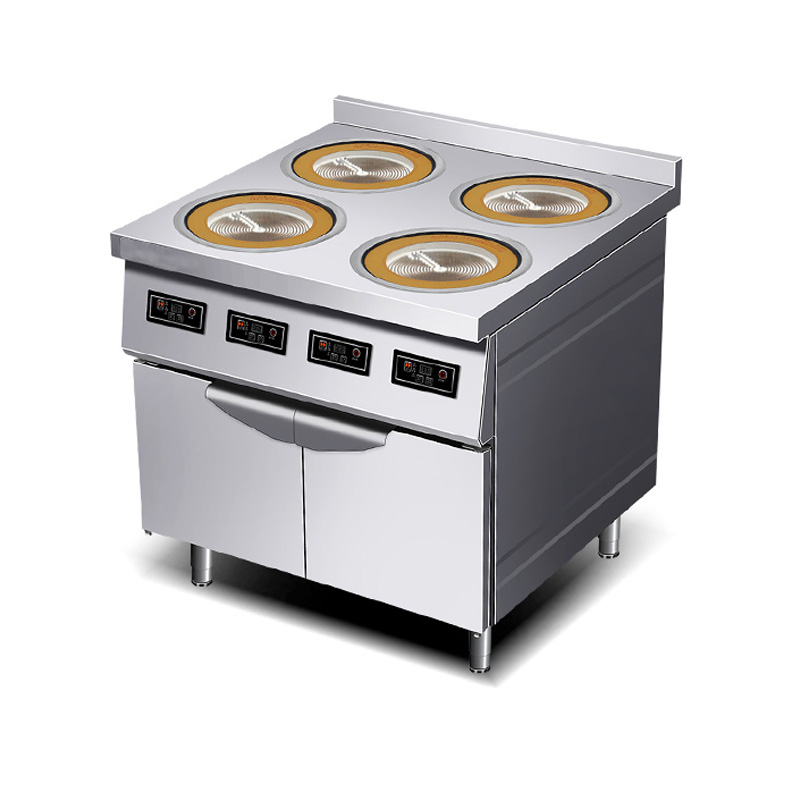
As kitchens evolve and become more high-tech, picking out a good Commercial Induction Cookeris more important than ever for getting things done quickly and efficiently. Did you know that according to the National Restaurant Association, about 73% of chefs actually prefer Induction Cookers? Honestly, this tech has really changed the game for professional kitchens — they’re faster, more energy-efficient, and give you way better control over your cooking. But, let’s be honest, with so many options out there, choosing the right one can feel pretty overwhelming.
Market reports suggest that the global market for commercial induction cookers might hit around $300 million by 2027 — shows just how popular these devices are getting. Still, lots of kitchens struggle to find the perfect model that checks all the boxes: cost, performance, and durability. You’ve got brands like Vulcan and Electrolux throwing a bunch of models into the mix, each with its own set of features, which can leave you scratching your head.
The trick is to keep a few key factors in mind before making a purchase. Things like wattage, safety features, and how easy it is to clean should really be at the top of your list. Sometimes folks overlook those little details, but trust me, they can make a big difference in the long run—affecting how happy you are with your cooker and how smooth your kitchen runs. Taking a moment to really think about what your kitchen needs and what you’re willing to invest can help you find a commercial induction cooker that’s just right for you — balancing performance and budget without any regrets.

Understanding Commercial Induction Cookers: The Basics and Beyond
Commercial induction cookers are transforming the culinary landscape. Understanding their fundamentals can empower restaurants and catering businesses. Unlike traditional gas or electric options, induction cookers use electromagnetic energy. This direct heating method offers efficiency and precision. Reports indicate that induction cookers can be up to 90% energy-efficient compared to gas cooktops, which typically hover around 40%.
When considering a commercial induction cooker, temperature control is crucial. Many models can adjust heat in seconds, allowing chefs to respond to their cooking needs swiftly. However, not all units maintain consistent temperature levels. According to industry studies, fluctuations can occur, affecting food quality. Operators must consider equipment reliability as a priority.
In China, the demand for commercial induction cookers is skyrocketing. A study from the China Cookware Association indicates that the annual growth rate for these devices is over 15%. Businesses are increasingly opting for induction heating for its sustainability. Yet, some establishments face challenges, such as compatibility with existing cookware. Overcoming these obstacles is essential for maximizing efficiency and performance in a professional kitchen.
Key Features to Consider When Choosing an Induction Cooker
When choosing the best commercial induction cooker, several key features can significantly impact your decision. The power output is crucial. Higher wattage often means faster cooking. Look for models that offer adjustable power levels for versatility. Efficiency matters in a commercial kitchen. Induction cookers heat pans directly, reducing energy waste. This makes them cost-effective in the long run.
Another important feature is safety. Induction cookers usually come with automatic shut-off systems. This protects against overheating and reduces fire risks. Look for models with child locks and heat indicators to enhance safety in busy environments.
Consider the size and build quality. A sturdy design can withstand daily use. Check for easy-to-clean surfaces to maintain hygiene. Additionally, think about the cooking zones. More zones allow simultaneous cooking, increasing productivity in a bustling kitchen.
**Tips:** Always read reviews to get real user experiences. Compare warranties and customer service options; this can save you headaches later. Don't rush the decision; take your time to find what fits your kitchen best.
Power Ratings and Efficiency: What You Need to Know
When selecting a commercial induction cooker, power ratings and efficiency are critical factors. Induction cookers use electromagnetic energy to heat pots directly. This method provides faster cooking and precise temperature control. A high power rating usually translates to quicker heating times, but it’s essential to consider energy efficiency too.
Efficiency impacts operational costs. Some cookers may have a lower power rating yet be more efficient overall. Check the conversion rate of electricity into heat. Some models might waste energy through poor design. Look for features like automatic pan detection, which can save power when not in use.
It’s important to assess your cooking needs realistically. High power often comes with higher energy bills. Consider your volume and frequency of cooking when making a choice. A smaller kitchen may benefit from an efficient, lower-powered model, while a high-volume operation could require more robust options. The balance between power and efficiency is often where the real decision lies.
Comparative Analysis: Induction vs. Conventional Cooktops
When considering induction cooktops, a comparative analysis against conventional options is essential. Induction cooktops use magnetic fields to heat cookware directly. This technology is faster and more energy-efficient. According to the U.S. Department of Energy, induction cooktops can be up to 85% efficient, while conventional electric burners only reach around 70%.
However, not every commercial kitchen is ready for this transition. Induction requires compatible cookware, which can be a barrier. Some chefs prefer the tactile feedback of gas flame. The temperature control on induction units is precise, yet it doesn't replicate the visual cues of a flame.
Moreover, initial costs matter. Induction cooktops often have a higher upfront price. A report from the National Association of Home Builders indicates that kitchens with induction options can increase property value. This is notable for restaurant owners looking to improve their establishments. The challenge remains: balancing cost-effectiveness with operational efficiency. Investing in a Wholesale Commercial Induction Cooker can lead to long-term savings. Still, it's vital to evaluate if induction aligns with your cooking style and equipment needs.
Comparison of Efficiency and Energy Consumption: Induction vs. Conventional Cooktops
Safety Standards and Certifications for Commercial Cooking Equipment
When investing in a commercial induction cooker, safety standards and certifications play a crucial role. These regulations ensure that the equipment meets specific safety requirements. A well-categorized cooker includes essential certifications like UL, CE, and NSF. Each certification reflects a rigorous testing process. This testing covers electrical safety, fire hazards, and materials used.
Understanding these certifications can be overwhelming. Not all commercial cookers have the same standards. Some may lack critical safety features, putting users at risk. It’s important to read specific details provided by manufacturers. Look for the clarity in documentation regarding safety and performance.
When purchasing, consider how the equipment fits into your kitchen’s safety protocols. Ask yourself if the cooker aligns with local health department regulations. Reflect on whether the cooker has been adequately tested for the cooking environment. This level of scrutiny helps maintain not only efficiency but also safety in your commercial kitchen.
Market Trends: The Future of Induction Cooking Technology
The cooking industry is witnessing a notable shift towards induction technology. Many chefs and restaurant owners are adopting this method for its efficiency. Induction cookers heat up quickly, allowing for precise temperature control. This versatility enhances cooking techniques and food quality.
Market trends show a growing demand for the Best Commercial Induction Cooker. As more establishments recognize its benefits, innovation is on the rise. Energy efficiency and safety features are becoming key factors in choosing these cookers. However, some users express concerns about the initial investment costs. Despite this, the long-term savings on energy bills make it a compelling option.
Sustainability is also shaping the future of induction cooking. Many manufacturers are focusing on eco-friendly materials and processes. Yet, not all options are created equal. Some products may compromise on durability or functionality. Therefore, it's vital to research thoroughly before making a decision. By understanding these trends, businesses can better navigate their options in the growing market of induction cooking technology.
Budgeting for Your Commercial Induction Cooker Purchase
When budgeting for a commercial induction cooker, it's essential to consider multiple factors. The initial cost can vary significantly. Often, the price reflects the features offered. High-end models may have advanced controls and better efficiency. A more affordable option can still meet basic cooking needs. Evaluate what is necessary for your kitchen operations.
Tips for budgeting wisely include prioritizing essential features. Assess your cooking volume to determine the required power level. Investigate different suppliers to compare prices and warranties. Reach out to a reliable Commercial Induction Cooker Supplier for insights. They can provide guidance based on your specific kitchen setup. Sometimes, investing a bit more at the outset can save you money on energy bills over time.
Also, think about maintenance costs. Cheaper models might require more frequent repairs. This can add up quickly. A slightly higher investment in a robust model could lead to long-term savings. Factor in potential costs beyond the purchase price for a comprehensive budget. Carefully reviewing these elements can ultimately help in making an informed decision.
2026 How to Choose the Best Commercial Induction Cooker? - Budgeting for Your Commercial Induction Cooker Purchase
| Feature | Importance | Average Price Range (USD) | Energy Efficiency Rating |
| Cooling System | High | $500 - $900 | A+ |
| Adjustable Power Levels | Medium | $400 - $800 | A |
| Countertop vs. Built-in | High | $300 - $700 | B |
| Safety Features | High | $600 - $1100 | A++ |
| Warranty Period | Medium | $400 - $900 | N/A |
Transforming Kitchen Efficiency: Insights from the Induction Cooking Market Report on the Single Benchtop Induction Soup Cooker
The culinary world is witnessing a significant transformation driven by advancements in induction cooking technology. Among these innovations, the single benchtop induction Soup Cooker stands out as a remarkable addition to kitchen efficiency. Designed with high-quality, durable stainless steel, this device ensures longevity and resistance against wear and tear in busy kitchen environments. Its sophisticated construction not only enhances durability but also integrates advanced intelligent computer control technology that simplifies the cooking process, making it accessible for both novice and experienced chefs.
One of the most impressive features of this induction soup cooker is its remarkable thermal efficiency, boasting an impressive 92% efficiency rate. This capability allows for rapid heating, which significantly reduces cooking times and energy consumption by over 50%. Additionally, its waterproof, anti-fume, and anti-insect design showcases a thoughtful approach to safety and hygiene, ensuring that the cooking environment remains clean and efficient. In essence, the single benchtop induction soup cooker is not just a piece of equipment; it's a strategic enhancement for any kitchen, transforming traditional cooking methods into a more efficient and sustainable practice.
FAQS
: They use electromagnetic energy for heating, unlike gas or electric cooktops.
They can be up to 90% energy-efficient, compared to gas cooktops at around 40%.
Quick adjustments allow chefs to maintain cooking precision and food quality.
Compatibility with existing cookware can limit their efficiency in some kitchens.
Look for certifications like UL, CE, and NSF for safety compliance and testing.
Review documentation carefully and consider local health department requirements.
Initial price varies based on features, efficiency, and brand reputation.
Prioritize essential features and assess your kitchen's cooking volume for specific needs.
Cheaper models might need more repairs, which can increase long-term expenses.
Yes, a robust model may lead to energy savings and reduced repairs over time.
Conclusion
Choosing the right commercial induction cooker involves understanding its fundamental principles and evaluating various key features. Essential considerations include power ratings, energy efficiency, and safety standards specific to commercial cooking environments. A comparative analysis highlights the advantages of induction cooktops over conventional alternatives, focusing on factors such as heat control and cooking speed.
As the market trends towards more advanced induction cooking technology, it is crucial to stay informed about innovations that could enhance kitchen operations. Additionally, budgeting for a commercial induction cooker purchase requires a clear assessment of both upfront and long-term costs, ensuring that the investment aligns with business needs and goals. By carefully weighing these factors, businesses can make informed decisions that will optimize their cooking efficiency and safety in commercial settings.