In the fast-changing world of manufacturing, picking the right induction heating system manufacturer can really make a difference in how smoothly things run. Experts like Dr. Lisa Chang, who’s a real authority when it comes to thermal tech, often say, ‘Choosing the right manufacturer is key to getting your heating processes just right.’ These days, induction heating is super popular because it’s so precise and adaptable—exactly what modern tech setups need.
If you’re trying to get a handle on How Does Induction Heating Work, it’s pretty important for both engineers and decision-makers to understand. Basically, it works by generating heat inside conductive materials via electromagnetic induction. Brands like Inductotherm and Ajax TOCCO are creating some pretty advanced systems that can boost productivity. But here’s the thing—not every option out there will perfectly match your specific needs. Different manufacturers offer different features, and understanding these differences is crucial.
Too many companies tend to overlook how important it is to match their particular needs with what a manufacturer specializes in. You really want to consider the brand’s reputation, the technology they bring to the table, and whether it aligns with your goals. With so many choices out there, taking the time to weigh your options can help you optimize your processes and even cut costs. When you evaluate factors like experience, expertise, and innovation, you’re much more likely to find the perfect induction heating system to help your business succeed.

Overview of Induction Heating Systems and Their Applications
Induction heating systems utilize electromagnetic fields to generate heat in conductive materials. They are widely used in various applications, such as metal hardening, soldering, and cooking. The efficiency of these systems is notable, as they can heat objects rapidly and with precision. Understanding How Induction Heating Works is essential for its effective application in manufacturing and other fields.
In industrial settings, induction heating is often a preferred method due to its ability to control temperature accurately. This precision reduces the risk of damaging materials during processing. For example, in automotive and aerospace industries, maintaining strict tolerances is crucial. However, adopting this technology comes with challenges. Not all materials respond equally, and there can be inefficiencies in energy use when dealing with complex shapes.
Training staff on these systems is vital for maximizing performance. Some operators may find the technology intimidating at first due to its complexity. It’s important to continually assess the system’s efficiency and adapt operations accordingly. Assessing the learning curve for employees can be a necessary step to ensure effective use in all stages of production.
Key Factors to Consider When Choosing an Induction Heating Manufacturer
When choosing an induction heating manufacturer, several key factors stand out. The experience and expertise of a manufacturer are crucial. A company with years of industry experience often tends to have a better understanding of customer needs. You want a partner that can guide you through the complexities of induction heating systems. Their knowledge can help in optimizing processes and enhancing efficiency.
Another important aspect is the reliability of the manufacturer. You need equipment that will perform consistently over time. Consider reviews and feedback from existing clients. Inspect case studies as they often reveal real-world applications of the technology. Also, inquire about after-sales support and training. Good support can make a significant difference in maximizing your use of the equipment.
It's essential to look for a manufacturer that tailors solutions to your specific industry requirements. Induction heating works differently for various applications. Some may need high precision, while others focus on speed and efficiency. Understanding "Induction Heating How It Works" is vital. Mistakes in choosing the wrong system can lead to costly inefficiencies. Reflect on your specific demands and don’t hesitate to ask tough questions.
Top Induction Heating System Manufacturers in the Global Market
The global market for induction heating systems continues to evolve rapidly. These systems are praised for their efficiency and precise temperature control. Different manufacturers offer unique features and capabilities, making it essential for buyers to understand their options. Many companies are recognized for their innovation and high-quality standards. These aspects significantly contribute to their growing reputation in the industry.
Considerations when choosing a manufacturer can be complex. When evaluating options, look for technical expertise and customer support. Some manufacturers excel in specific applications such as metal processing or cooking. Others might focus on more comprehensive industrial solutions. It is vital to assess the specific needs of your application. Not every manufacturer may meet the rigorous demands of all sectors. This lack of uniformity can complicate decision-making for buyers.
In the end, reflect on what you require from an induction heating system. The best choice may not always be the most popular brand. A reliable system should align with your operational requirements. Evaluating factors like warranty and service history can provide insights. The market remains competitive, inviting exploration of various manufacturers and their offerings.
Top Induction Heating System Manufacturers to Consider
| Manufacturer | Country | Annual Revenue (in USD) | Key Products | Market Share (%) |
| Manufacturer A | USA | $500 million | Induction Furnaces, Heating Equipment | 25% |
| Manufacturer B | Germany | $350 million | Induction Heating Systems, Power Supplies | 20% |
| Manufacturer C | China | $600 million | Induction Heating Machines, Cooktops | 30% |
| Manufacturer D | Japan | $400 million | Induction Heaters, Heating Control Systems | 15% |
| Manufacturer E | Italy | $450 million | Induction Heating Solutions, Parts | 10% |
Innovative Technologies Used by Leading Induction Heating Companies
Induction heating technology is evolving rapidly. Many companies are now focusing on innovative methods to enhance efficiency and effectiveness. One prevalent approach is utilizing advanced control systems. These systems allow for precise temperature regulation, significantly improving heating accuracy. This results in optimized energy consumption and reduces overheating risks.
Another key innovation is the use of high-frequency heating. This technique offers faster heating times and uniform temperature distribution. It is becoming increasingly popular in various applications, such as metal hardening and plastic processing. However, the implementation may require substantial investments in equipment.
Moreover, some manufacturers are exploring the integration of smart technology. Artificial intelligence can analyze heating patterns in real-time. This data-driven approach can identify inefficiencies and suggest improvements. Nonetheless, not all companies have adapted to this change successfully. Some are still relying on traditional methods, which may limit their competitive edge in the market.
Comparative Analysis of Manufacturer Product Offerings and Features
Induction heating systems are revolutionizing various industries, including automotive, food processing, and metalworking. These systems are known for their efficiency and precision. However, the market is diverse, with many manufacturers offering different features. A comparative analysis can help identify the most suitable options.
Recent data indicates that the efficiency of induction heating systems can reach up to 90%. This efficiency translates into reduced energy consumption and cost savings over time. A focus on control features is essential. Some systems provide advanced temperature control, while others may include user-friendly interfaces. This can significantly impact performance and ease of use.
The market does feature varying quality. Not all manufacturers maintain the same standards. Some systems, while cost-effective, may lack the durability needed for heavy usage. Others might offer extensive warranties, indicating confidence in their products. Cook Induction Heating Co is one example of a manufacturer that emphasizes long-term reliability. In contrast, emerging brands may provide innovative features but lack proven track records. Buyers must weigh these factors carefully when making a decision.
Customer Support and Warranty Policies of Induction Heating Brands
When selecting induction heating systems, customer support and warranty policies are pivotal. According to a recent industry report, almost 70% of consumers emphasize these factors in their purchasing decisions. This highlights the importance of reliable assistance when dealing with technical equipment like Induction Heating Equipment. Moreover, warranty coverage can significantly impact user satisfaction and long-term confidence in the product.
Many manufacturers offer varied warranty lengths, ranging from one year to several years. This often reflects the company's trust in its products. A study indicates that 65% of users faced issues that required technical support within the first six months of use. It's crucial to assess how quickly manufacturers respond to inquiries or service requests. Several brands provide dedicated customer support teams. However, response times can vary, leading to frustration among users.
Real-life experiences reveal that even the best products may face unexpected challenges. Some users have reported delays in obtaining replacement parts, affecting operations. It's essential to consider these aspects when evaluating induction heating equipment. The balance between product performance and customer service can make a significant difference in overall satisfaction.
Customer Support and Warranty Policies of Induction Heating Brands
Future Trends in Induction Heating Technology and Manufacturer Roles
Induction heating technology is evolving rapidly, with manufacturers playing a crucial role in this transformation. The future trends indicate a shift towards more energy-efficient systems. These innovations often leverage advanced materials and sophisticated control algorithms. This results in reduced energy consumption and improved heating precision. As the demand for sustainable practices increases, manufacturers must adapt their offerings to meet these new standards.
Another significant trend is the automation of induction heating processes. Automated systems enhance productivity and minimize human error. However, they may also lead to concerns about job displacement. Finding a balance between automation and employment is essential for the industry. Additionally, manufacturers are exploring integration with IoT technologies. This allows for real-time monitoring and data analytics, improving overall system performance.
It is important for manufacturers to engage in continuous innovation. The introduction of smart induction heaters and user-friendly interfaces can attract new customers. However, some companies may struggle to keep pace with technological advancements. This highlights the need for ongoing research and development investments. The future of induction heating relies on adaptive strategies in a competitive marketplace.
Maximizing Efficiency in Commercial Kitchens with the Double Soup Cooker Induction Stove
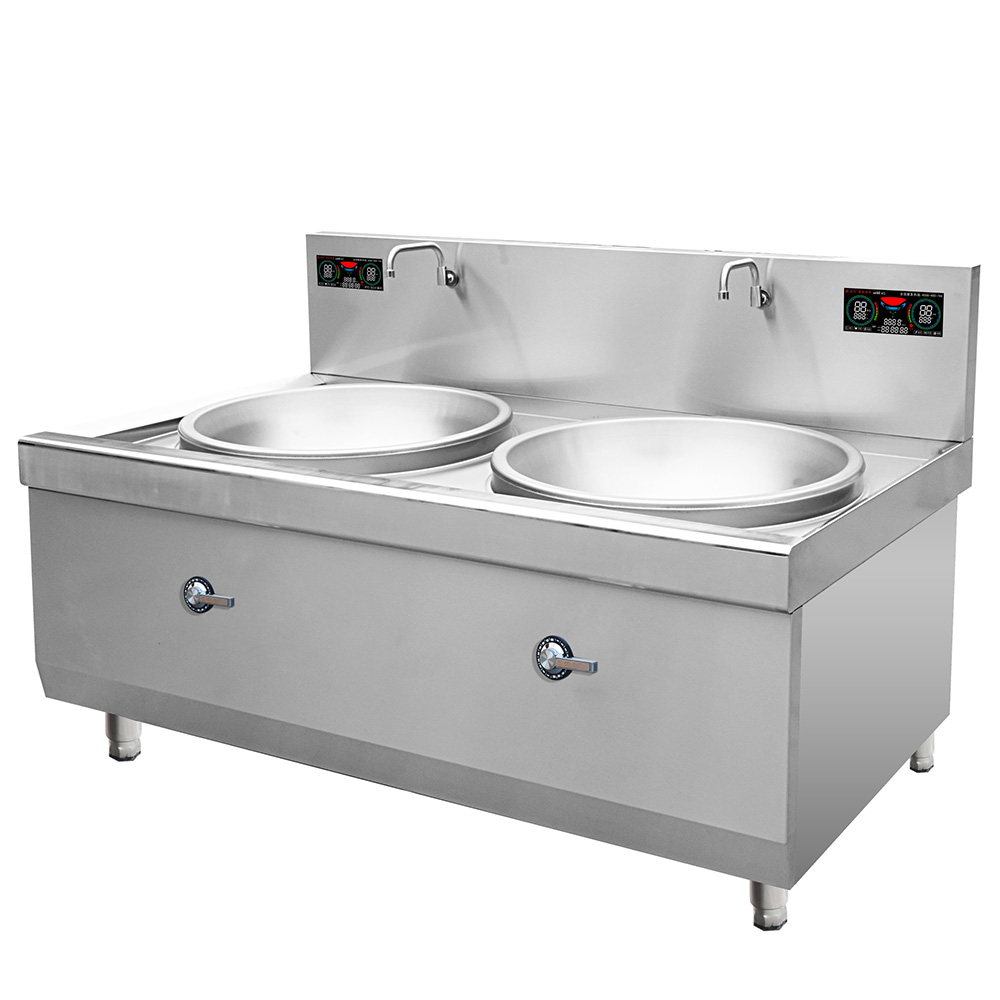
In the fast-paced environment of commercial kitchens, maximizing efficiency is paramount. The Double Soup Cooker Induction Stove stands out as an exceptional solution, equipped with cutting-edge ADD magnetoelectric engine technology. This innovative system ensures high stability while adapting seamlessly to the complex demands of professional kitchens. The stove's design allows it to cater effectively to various cooking styles and intense demands, making it an ideal companion for chefs aiming to streamline their operations.
One of the remarkable features of this induction stove is its PPS high temperature tooth-shaped coil assembly. This technology utilizes a concentrated rare earth magnetic strip that enhances efficiency by providing a uniform magnetic field distribution. The innovative wind conduction heat dissipation structure minimizes heat loss, which not only optimizes energy consumption but also ensures safety with its low operational heat. Additionally, the fully enclosed movement paired with a flared air duct design accelerates heat dissipation, preventing overheating in busy kitchen environments. This clever insulation keeps electronic components safe from potential damage due to oil smoke and water vapor, further enhancing the stove's reliability and performance during rigorous cooking tasks.
FAQS
: Evaluate technical expertise and customer support. Consider specific applications like metal processing or cooking.
Innovation is crucial. Advanced control systems and high-frequency heating enhance efficiency and performance.
They allow precise temperature regulation, optimize energy consumption, and reduce overheating risks.
Yes, it offers faster heating and uniform temperature distribution. However, it may require significant upfront costs.
Smart technology can analyze real-time heating patterns, suggesting improvements and identifying inefficiencies.
No, some manufacturers may not meet rigorous sector demands. Research is essential before choosing one.
Popular brands may not align with your specific operational needs or provide the best reliability.
A strong warranty and positive service history can indicate a manufacturer’s reliability and support.
Yes, some manufacturers still rely on traditional methods, which may limit their market competitiveness.
The variety of unique features and capabilities can complicate decision-making. Careful consideration is vital.
Conclusion
The article provides a comprehensive overview of induction heating systems, highlighting their diverse applications across various industries. It emphasizes key factors to consider when selecting an induction heating system manufacturer, such as technological innovation, product features, and customer support. A comparative analysis showcases the offerings of leading manufacturers in the global market, focusing on their unique technologies and warranty policies.
Furthermore, the article discusses the evolving trends in induction heating technology and the critical role manufacturers play in adapting to these changes. By examining these aspects, potential buyers can make informed decisions when choosing an induction heating system manufacturer that aligns with their specific needs and industry demands.