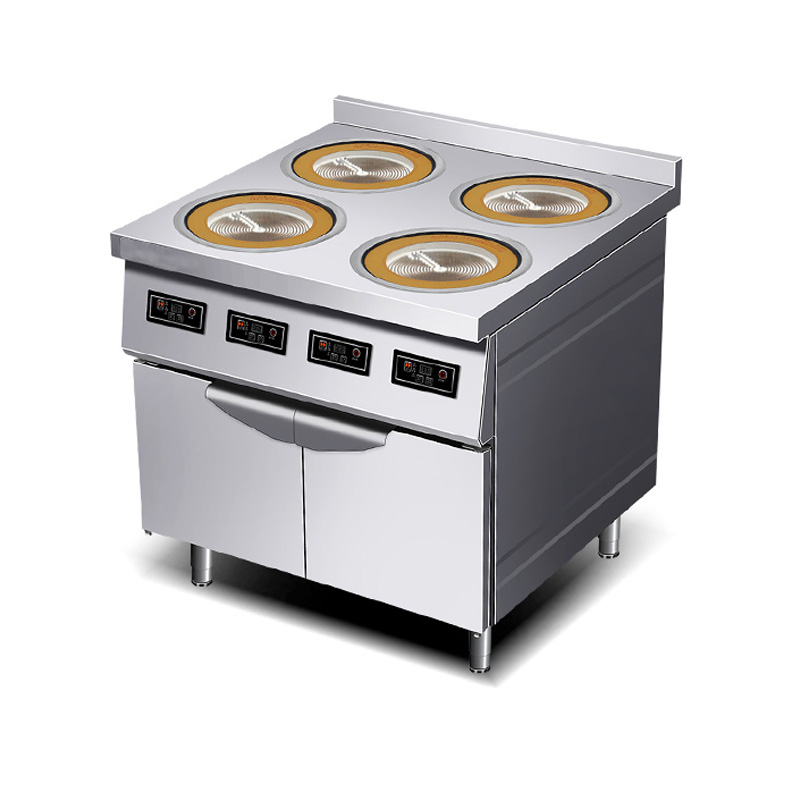
In the fast-moving world of food service, staying efficient is pretty much everything. Catering induction warmers have become a really useful tool for keeping food at the right temp without gulping down a ton of energy. Jane Thompson, who’s a pro in the industry at Culinary Innovations, mentions that “Catering induction warmers not only save you time but also help improve the quality of your food.” That just shows how important they’ve become in today’s catering world.
These devices work using magnetic fields for quick heating, which is a total lifesaver during busy events. Chefs love how the warmers let you control the temperature precisely, so your dishes stay perfect right up until serving time. But here’s the thing—there are sooo many options out there, and picking the right one can feel kinda overwhelming. For many caterers, just finding the right warmer can turn into a bit of a hassle.
If you’re new to using catering induction warmers, don’t worry—you might hit some snags at first. Not every model is the same, and getting the hang of how they work can take a little time. But honestly, the benefits make it totally worth it. When you have the right gear, food service becomes smoother, faster, and honestly more fun for everyone involved. Checking out the best options out there can really help boost the quality and efficiency of your catering game.

Understanding Catering Induction Warmers: An Overview
Catering induction warmers are vital for efficient food service. They use electromagnetic energy to heat food quickly and maintain ideal temperatures. This technology not only conserves energy but also minimizes heat loss. According to industry reports, induction warmers can be 30% more energy-efficient than traditional warming methods. This efficiency is crucial in busy catering environments where time and consistency matter.
Understanding the specifications is essential. Many induction warmers come equipped with adjustable temperature controls. This feature allows chefs to tailor heat levels based on food types. For instance, delicate sauces require lower temperatures to prevent separation, while hearty dishes may need higher settings. It's also important to note that not all cookware is induction-compatible. Chefs often overlook this detail, which can lead to inefficiencies and wasted resources.
While the technology is beneficial, it has its challenges. Initial costs for catering induction warmers can be high. Training staff to use these systems effectively can add another layer of complexity. Additionally, consistent monitoring of food temperatures is still needed to ensure safety standards. Understanding these trade-offs helps catering businesses make informed decisions about their equipment needs.
Key Features to Consider When Choosing Catering Induction Warmers
When selecting catering induction warmers, various key features demand attention. One crucial aspect is the heat distribution. Uniform heating helps maintain optimal food temperatures. A warmer with consistent heat can prevent cold spots in dishes. This directly enhances food quality and customer satisfaction.
Another important element is the size and capacity of the warmer. Choose a model that fits your catering needs, whether for small events or large gatherings. A compact warmer may suffice for an intimate setting, while larger units are essential for buffets and banquets. Adjusting to your service style matters.
User-friendly controls are essential for efficient operation. Intuitive settings allow quick adjustments, especially in a busy kitchen. Look for features like timers and temperature indicators. These not only ensure food safety but also lead to better workflow. Evaluate warranties and customer support offered as well. It's vital to have reliable assistance when needed. Investing in quality pays off long-term. Consider these factors, and make informed choices for exceptional catering service.
Top Brands for Catering Induction Warmers in the Market
When selecting the best catering induction warmers, exploring top brands is essential. Many options dominate the market, reflecting innovation and quality. Catering Induction Hobs are favored for their speed and energy efficiency, making them ideal for busy caterers. Each brand might offer different features and functionalities, influencing user experience.
A critical aspect to consider is reliability. Some catering induction warmers may have durability issues, requiring frequent repairs. Reading user reviews can shed light on these concerns. Features like temperature control and safety mechanisms also vary among brands. While one may excel in user-friendliness, another might lead in heating capacity. It’s crucial to balance these factors while choosing the right equipment for your needs.
Moreover, price is often a deciding factor. Higher-priced models may promise greater efficiency, but it’s not always the case. Some affordable options perform remarkably well. Researching and comparing products from various brands can reveal hidden gems. An informed decision will ultimately enhance your catering experience and efficiency, whether you run a small kitchen or a large catering service.
Comparative Analysis of Induction vs. Traditional Food Warmers
Induction warmers and traditional food warmers both serve the same purpose: keeping food at optimal temperatures. However, their methods vary greatly. Induction warmers utilize electromagnetic fields to directly heat cookware. This means faster heating and precise temperature control. Unlike traditional methods, which often rely on hot surfaces, induction minimizes the risk of burns and wastage of energy.
A notable benefit of induction warmers is the reduction of waiting times. Foods are kept at consistent temperatures, ready to serve, making them perfect for busy environments. Yet, one must consider the initial investment. The cost of induction technology can be higher than traditional units. However, energy savings and efficiency could balance this over time.
When selecting equipment, pay attention to user reviews and performance ratings. Performance consistency is crucial for any catering service. It’s worth noting that while induction warmers are efficient, they may not work with all types of cookware. This limitation could be frustrating if you have a diverse kitchen setup. Aim for adaptability in your choice to minimize hurdles in the kitchen workflow.
Best Practices for Using Induction Warmers in Food Service
Induction warmers are essential for food service efficiency. They maintain optimal temperatures, ensuring food safety and quality. Many establishments report that using induction systems can save up to 40% in energy costs compared to traditional methods. This efficiency translates to lower operating costs and improved service speed.
When using induction warmers, it's crucial to follow best practices. Keep the equipment clean to prevent residue build-up, which can affect performance. Regular maintenance checks enhance longevity, encouraging operators to look for signs of wear or malfunction. Additionally, training staff on proper usage maximizes effectiveness and minimizes mistakes. Remember to use compatible cookware for best results, as not all pots will work with induction.
Tips: Always preheat your induction warmers. This step allows food to reach the desired temperature quickly. Monitor your equipment throughout service, checking to ensure units are functioning optimally. Use proper thermal gloves when handling hot food to prevent accidents.
Understanding how to implement a China Catering Induction Hob effectively can elevate culinary offerings and streamline operations in any food service environment. Regularly reviewing and updating practices is key to maintaining high standards. Rely on data and feedback to adapt your strategy as needed, ensuring ongoing success.
Maintenance and Care Tips for Longevity of Induction Warmers
Induction warmers are essential for maintaining food at safe temperatures during service. However, without proper maintenance, their efficiency can decline significantly. Regular cleaning is vital. Residue or spills can hinder performance. A study shows that devices not maintained can lose up to 25% of their heating efficiency within a year. This loss directly impacts food quality and service speed.
Caring for induction warmers involves simple steps. Wipe down surfaces daily to prevent buildup. Monthly deep cleans with recommended solutions can extend their lifespan. Also, ensure proper ventilation to avoid overheating. Many operators overlook this aspect, risking equipment damage. The longevity of these warmers depends on consistent care. Investing in a Wholesale Catering Induction Hob is only the beginning; upkeep is crucial for maximizing its use.
Staff training is another area often neglected. Many employees are unaware of the correct procedures. This can lead to misuse. A common mistake is overloading warmers, which can cause overheating. Equipping staff with knowledge enables them to operate equipment effectively. This investment in training pays off; it prolongs the life of induction warmers.
Customer Reviews and Feedback on Popular Induction Warmer Models
Induction warmers are becoming essential in the catering industry. They provide efficient heating solutions for food service. Customers often share their experiences with various induction warmer models. Feedback highlights both pros and cons.
Many users appreciate the quick heating capabilities of induction warmers. Meals stay hot for extended periods without overcooking. However, some users note that not all models distribute heat evenly. This can lead to certain food items being cooler than others. The varying quality among models raises questions about reliability.
Customer reviews also mention the ease of use. Most induction warmers feature simple controls. Yet, a few users struggle with specific functions. They find the manuals lacking clarity. Users suggest that manufacturers improve instructions. Overall, the insights gained from real-world experiences underscore the importance of choosing the Best Catering Induction Hob for optimal service.
Exploring the Market Trends and Innovations in Commercial Induction Steamer Cookers for Rice Rolls: A Data-Driven Analysis
In the realm of commercial kitchens, the demand for efficient and innovative cooking solutions has led to the rising popularity of induction steamer cookers, particularly for preparing rice rolls. These advanced Cooking Appliances are designed with robust features that cater to the needs of professional chefs, ensuring optimal results while enhancing operational efficiency. The entire stainless steel body not only adds a sleek aesthetic but also guarantees durability and sturdiness in a bustling kitchen environment.
One of the most significant advantages of these induction steamers is their precise temperature control. Equipped with an imported button-type temperature controller, these units allow chefs to adjust temperatures anywhere from 50 to 300°C with ease, facilitating seamless cooking across various recipes. Additionally, the digital firepower display provides a clear and intuitive interface, showing the current heat intensity, which helps in maintaining consistent cooking performance.
Moreover, hygiene and maintenance are paramount in commercial kitchens, and the IPX6 waterproof design of these steamers addresses this concern effectively. The integrated countertop allows for direct rinsing during cleaning, simplifying the upkeep process. The three-dimensional three-defense structure is expertly designed to be waterproof and oil-smoke resistant, contributing to a cleaner and safer cooking environment. Together, these features make induction steamer cookers an indispensable tool for culinary professionals seeking to innovate and improve their menu offerings.
FAQS
: They use electromagnetic energy to heat food quickly and maintain ideal temperatures.
Induction warmers heat cookware directly, offering faster heating and precise temperature control.
They reduce waiting times and keep food at consistent temperatures, ideal for busy catering environments.
Yes, they can be 30% more energy-efficient than traditional warming methods.
Not all cookware is induction-compatible, which can result in inefficiencies if overlooked.
Initial costs can be high, and staff training may be necessary for effective use.
They allow chefs to tailor heat levels for different food types, enhancing food quality.
Yes, consistent monitoring is essential to ensure food safety standards are met.
Absolutely! Performance consistency and user feedback are vital for informed decisions.
Limitations with cookware compatibility may affect workflow in diverse kitchen setups.
Conclusion
Catering induction warmers are essential tools for efficiently maintaining food temperature in various service settings. This article provides a comprehensive overview of these devices, highlighting key features to consider when selecting the right warmer, such as size, wattage, and temperature control. It also includes a comparative analysis between induction and traditional food warmers, showcasing the advantages of using induction technology in terms of energy efficiency and heating speed.
Additionally, best practices for utilizing catering induction warmers effectively in food service operations are discussed, along with maintenance and care tips that ensure longevity and optimal performance. Customer reviews and feedback on popular models further guide potential users in making informed choices. Overall, catering induction warmers not only enhance service efficiency but also contribute to a better dining experience for customers.